Veggie Poori Masala
by Viruthiga Veni
Loading rating...
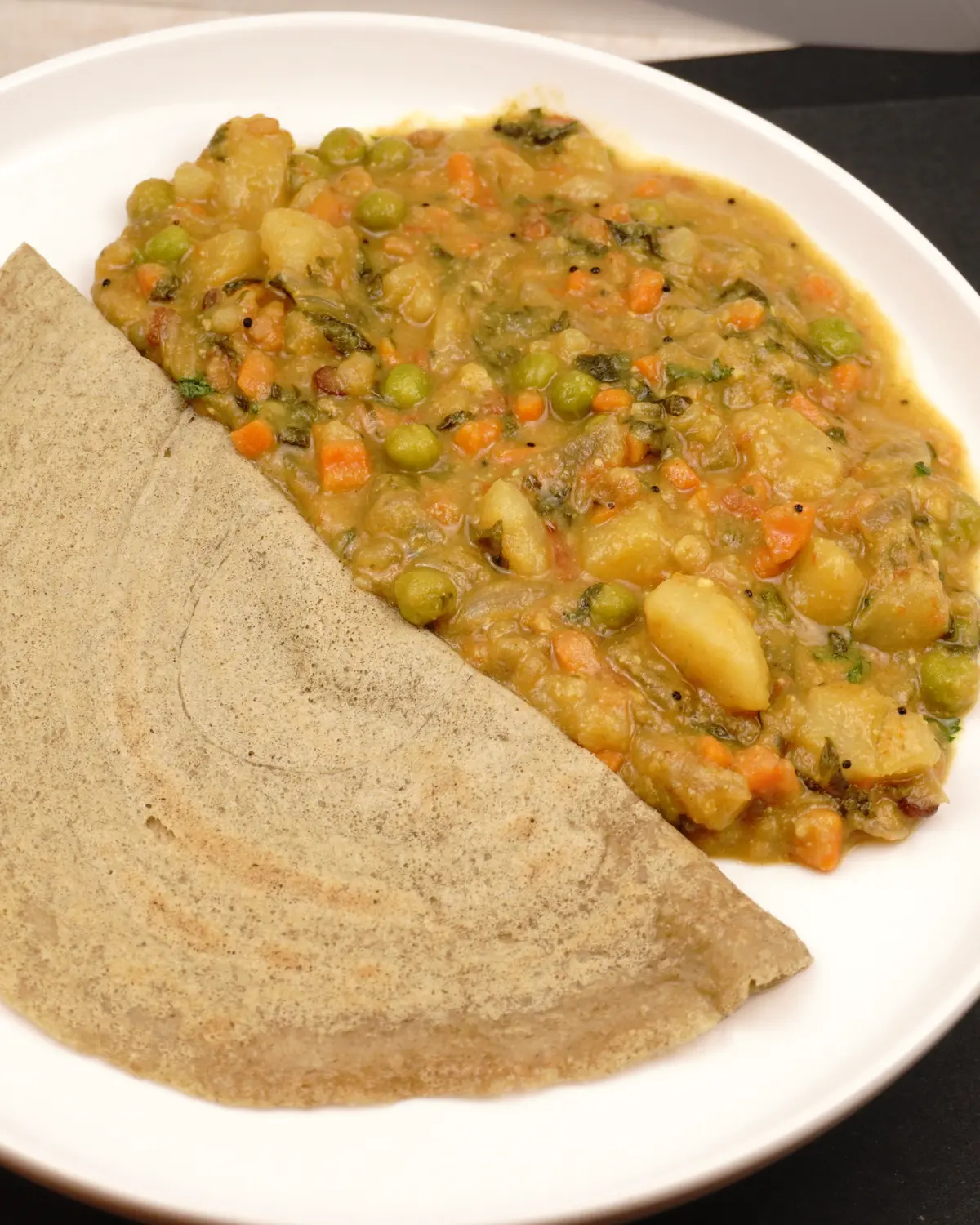
Traditional Poori Masala is usually made with just onions and potatoes. This recipe upgrades the classic version by mixing that hearty potato base with nutrient-dense vegetables like sweet carrots, green peas, and fresh spinach.
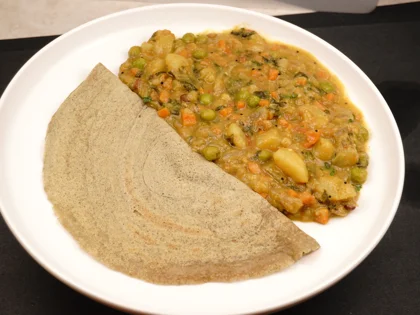
While this tasty masala is normally served with deep-fried pooris, you can swap them out for a crispy, sprouted legume dosai or soft idli (made from moong bean, chickpeas, black bean, kidney bean, or soybean). Pairing this veggie-packed masala with sprouted legumes creates a balanced meal. By choosing a sprouted batter instead of deep-fried pooris, you drastically reduce calories by avoiding the oil, lower the carbs through the sprouting process, and provide much more protein.
Want to pack even more protein into this meal? Here is how you can easily customize it to fit your goals:
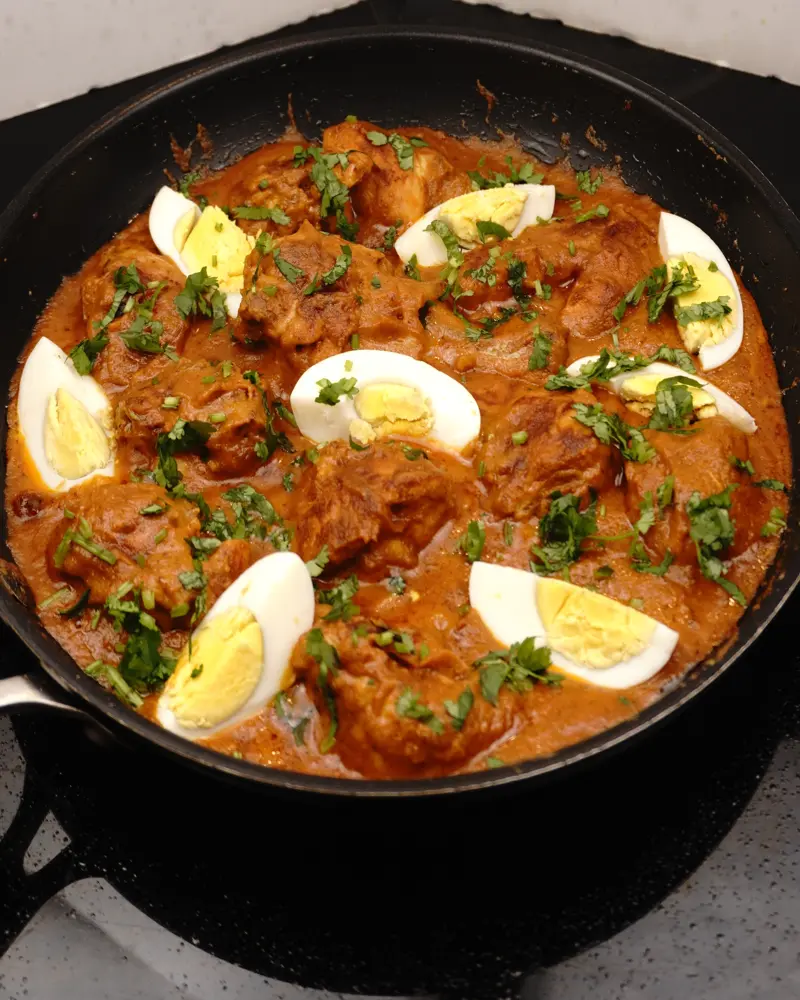
🍳 If you eat eggs: Do what I did and make an egg-sprouted dosai with veggie poori masala!
🌱 If you are vegetarian: Simply add more green peas into the veggie poori masala.
Ingredients
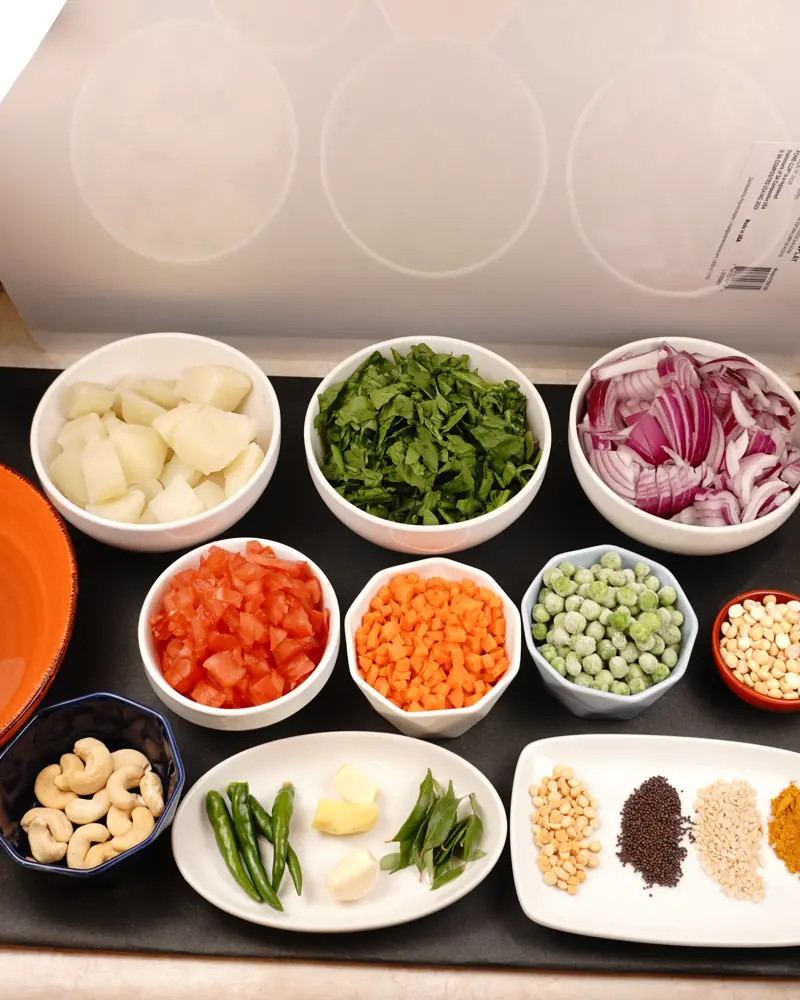
Potato – 300 g ( 2 medium)
Onion – 400 g ( 3 medium)
Tomato – 200 g ( 2 medium)
Carrot – 75 g ( 1 medium)
Spinach – 75 g ( 3 handfuls)
Frozen green peas – 100 g
Pottukadalai – 30 g (2 tbsp )
Raw Cashew – 20 g (15 pieces)
Green Chilis – 4 to 5 nos
Garlic – 2 to 3 cloves
Ginger – 1/2 inch
Curry Leaves – 1 to 2 sprig
Mustard seeds – 1/2 tsp
Urad dal – 1 tsp
Channa dal – 1 tsp
Turmeric powder – 3/4 tsp
Ghee – 2 tbsp
Coriander leaves – 1 cup
Salt – approx. 1 3/4 tsp
Water – approx. 350 ml
Prep and Boil the Potatoes
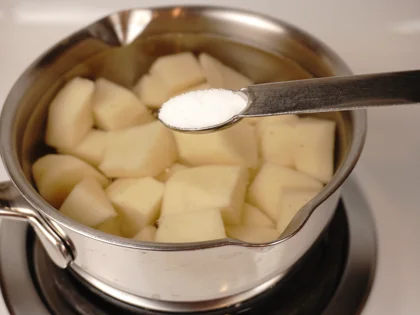
Prep the Potatoes: Wash and peel 300 grams (about 2 medium size) potatoes, then roughly chop them into medium-sized pieces.
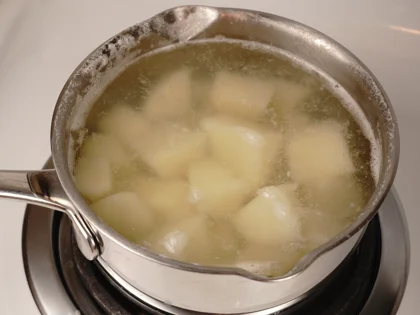
Boil Until Tender: Place the potatoes in a pot of water with 1 tsp of salt over medium-high heat. Once boiling, reduce the heat to medium and cook for about 15 minutes, or until a fork easily slides into the center.
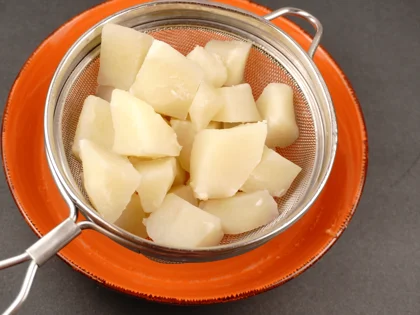
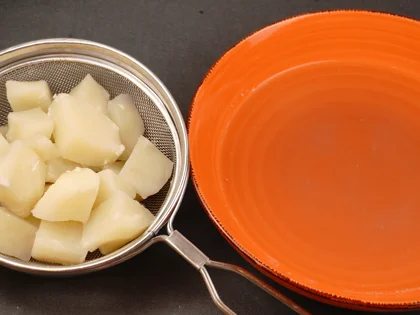
Drain and Save the Water: Drain the potatoes through a strainer, making sure to save the cooking water for later.
Cool and Crumble: Once the potatoes are cool enough to handle, gently crumble them with your hands into small pieces.
Make the Ginger-Garlic-Green Chili Paste
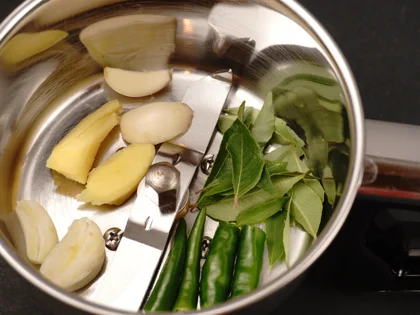
Prep the Aromatics : Wash and dry the ginger, green chilies and curry leaves. Peel the ginger, skin the garlic cloves, and remove the stems from the chilies. Note: If the pieces are too big, just chop them down a bit first so the standard blender can handle them easily.
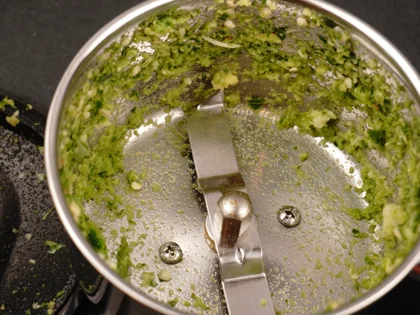
Blend to a Coarse Texture: Put your 1/2 inch ginger, 2 to 3 cloves of garlic, 2 to 3 green chilies and 1 sprig of curry leaves in the jar and blend them into a coarse texture.
Make the Pottukadalai-Cashew Paste
Soak the Cashews: Place 20 grams (about 15 pieces) of raw cashews in a small bowl. Cover them with hot water and let them sit for 10 to 15 minutes to soften, then drain and rinse.
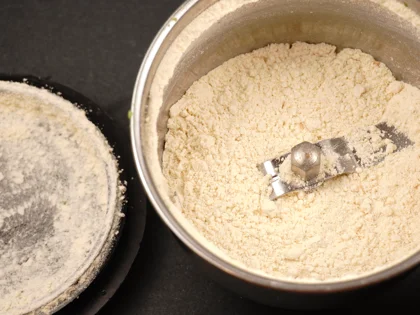
Grind the Roasted Gram (Pottukadalai): Add 2 tablespoons (30 grams) of pottukadalai to your blender jar. Grind it into a fine powder.
Blend into a Smooth Paste: Add the rinsed cashews and about 2 tablespoons of water to the powder. Blend into a thick, smooth paste. Finally, pour in the water (about 100 ml) and blend again until you have a smooth, thin paste.

Wash, Dry, and Chop the Veggies
Washing & Drying
Wash the peeled whole onion, whole carrot, and whole tomato thoroughly under cool running water. Place the washed veggies in a colander to air-dry for 20–30 minutes, or use a clean towel to pat them dry. Note on Spinach: If using pre-washed spinach, there is no need to wash it again—you can chop and use it directly.
Chop the Vegetables
Once the surfaces are completely dry, proceed with chopping or slicing as required.
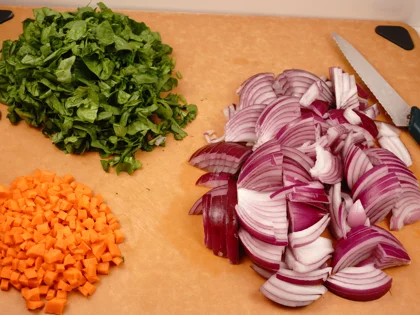
Onions (400g / 3 medium): Thinly slice (cut in half if too long).
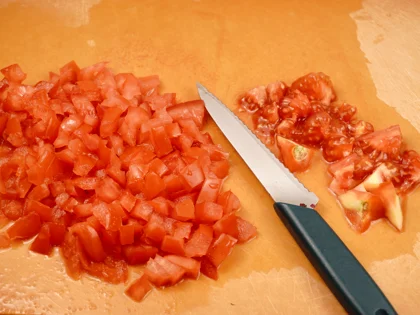
Tomatoes (200g / 2 medium): Remove core, seed, and finely chop to ensure they cook down quickly.
Carrot (75g / 1 medium): Peel and chop into small pieces.
Spinach (75g / 3 handfuls): I Used pre-washed spinach and roughly chopped it.
Cook the Veggie Masala Base
Preheat the Pan
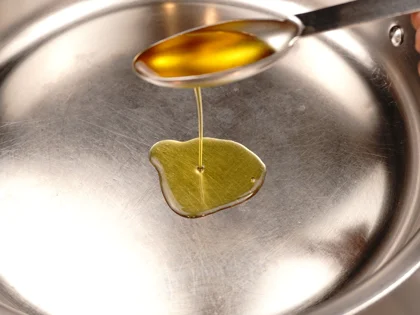
Place a large, heavy-bottomed pan over medium heat and let it warm up for 2 to 3 minutes. Add 1 tbsp of ghee and let it heat through before adding the vegetables.

Saute the Onions
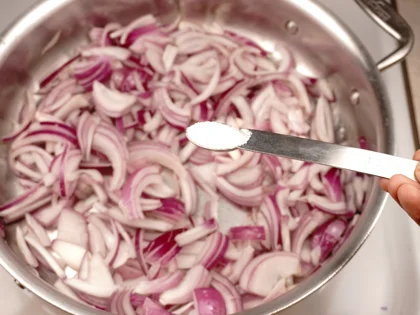
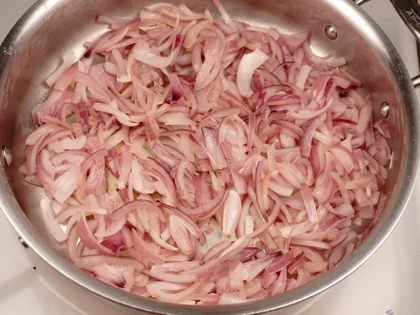
Add the sliced onions and salt. Sauté over medium heat for 4 to 5 minutes, stirring frequently, until most of their moisture evaporates and they soften.
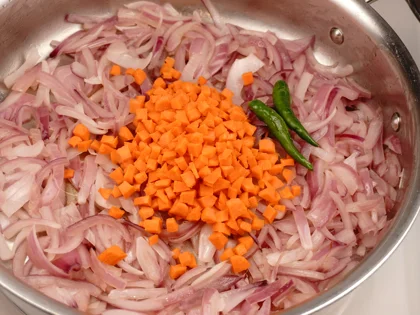
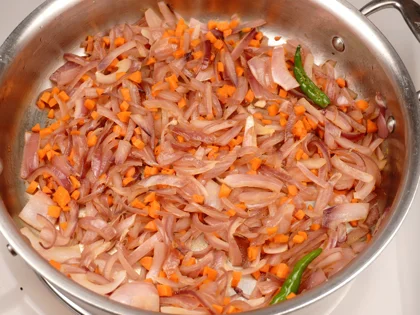
Saute the Carrots
Stir in the chopped carrots and sauté them well in the hot ghee. Cook on medium-high heat for 2 to 3 minutes and stirring frequently.
Sauté the Tomatoes
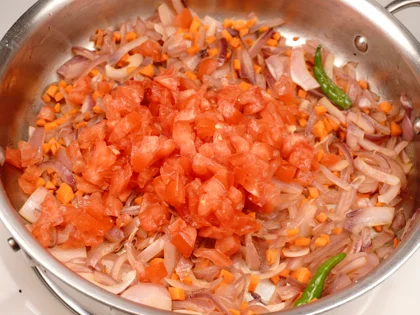
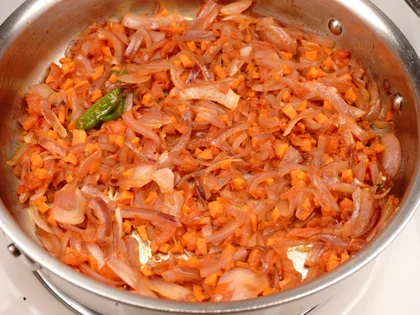
Add the chopped tomatoes (200g). Cook for 3 to 4 minutes over medium heat, stirring occasionally, until they break down completely and turn mushy.
Tip: I used ripe tomatoes and chopped them into small pieces, which helps them turn soft and mushy faster!
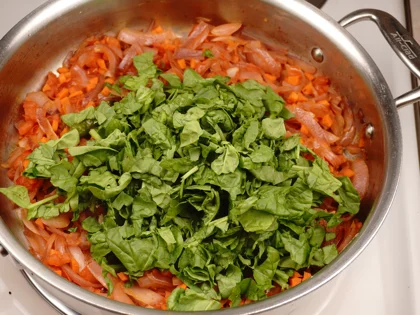
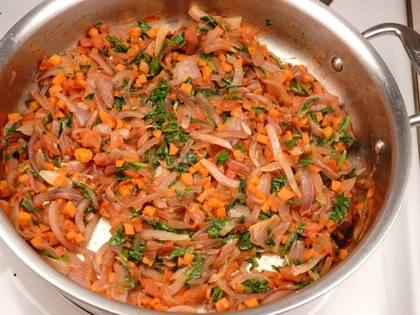
Saute the Spinach
Add the chopped spinach and sauté for 1 to 2 minutes just until it softens and blends into the mixture.
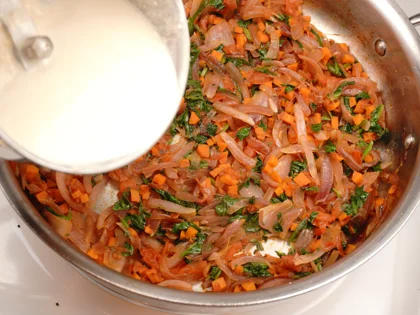
Saute the paste
Add the prepared pottukadalai and cashew paste, then stir for a few minutes.
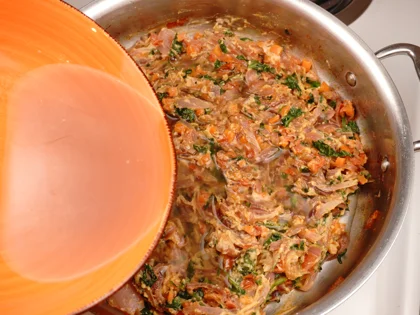
Add the Potato Water: Pour about 250 ml of the reserved potato cooking water into the pan and stir it well with the veggies. Turn the heat down to low so the mixture can simmer gently while you prepare your spices.
Sauté the Spices (Tempering)
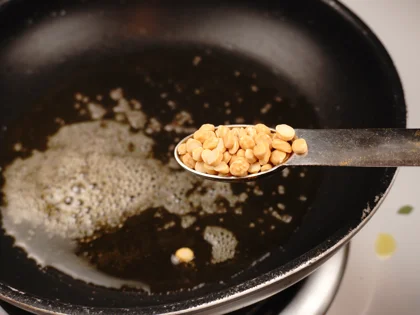
Temper the Spices: While your main veggie pan is simmering on low heat, place a separate small pan over medium heat. Heat 1 tbsp of ghee in your pan over medium heat. Once hot, reduce the heat to low and add 1/2 tsp of mustard seeds. Wait for them to begin popping.
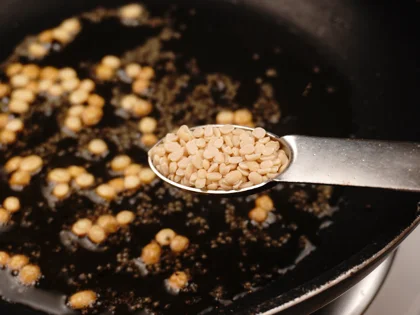
Toast the Dals: Add 1 tsp of chana dal and sauté for a few seconds, then add 1 tsp of urad dal. Sauté both until they turn a light golden brown.
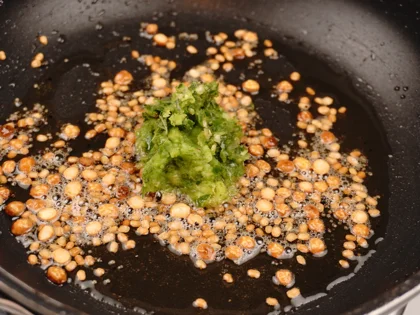
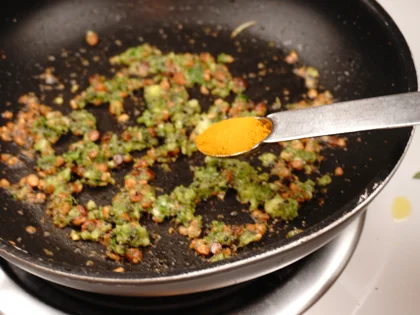
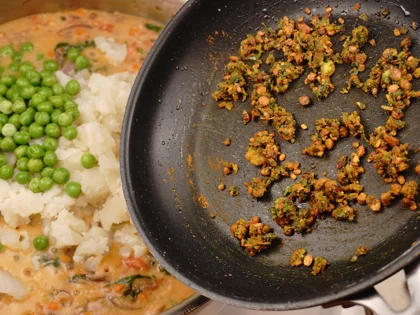
Cook the Paste: Add the prepared ginger-garlic-chili paste and sauté for about a minute until the raw smell goes away. Stir in 3/4 tsp of turmeric powder.
Combine and Simmer
Add Potatoes, Peas, and Spices
Add Potatoes, Peas: Directly into your main veggie pan, crumble the boiled potatoes with your hands. Add 75 grams of green peas (if using frozen, you can add them directly).
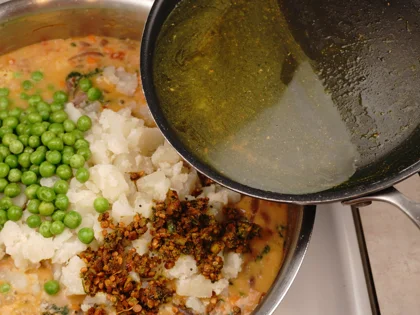
Deglaze the Spice Pan: Pour the hot sautéed spices into the main pan. Pour a little extra hot water into the empty spice pan to deglaze it, swirling to catch all the leftover flavor, and pour that into the main pan too. Mix everything together well.
Final Simmer & Taste Adjust
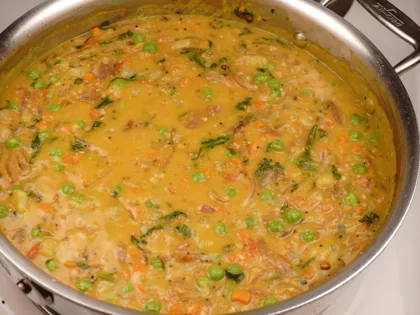
Simmer the Masala: Cook uncovered over medium heat for 5 minutes, stirring occasionally.
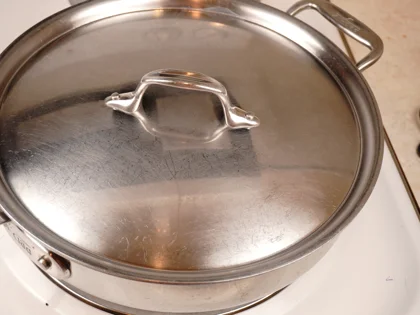
Blend the Flavors: Cover the pan with a lid, reduce the heat to low, and cook for another 5 minutes to allow all the flavors to meld together.
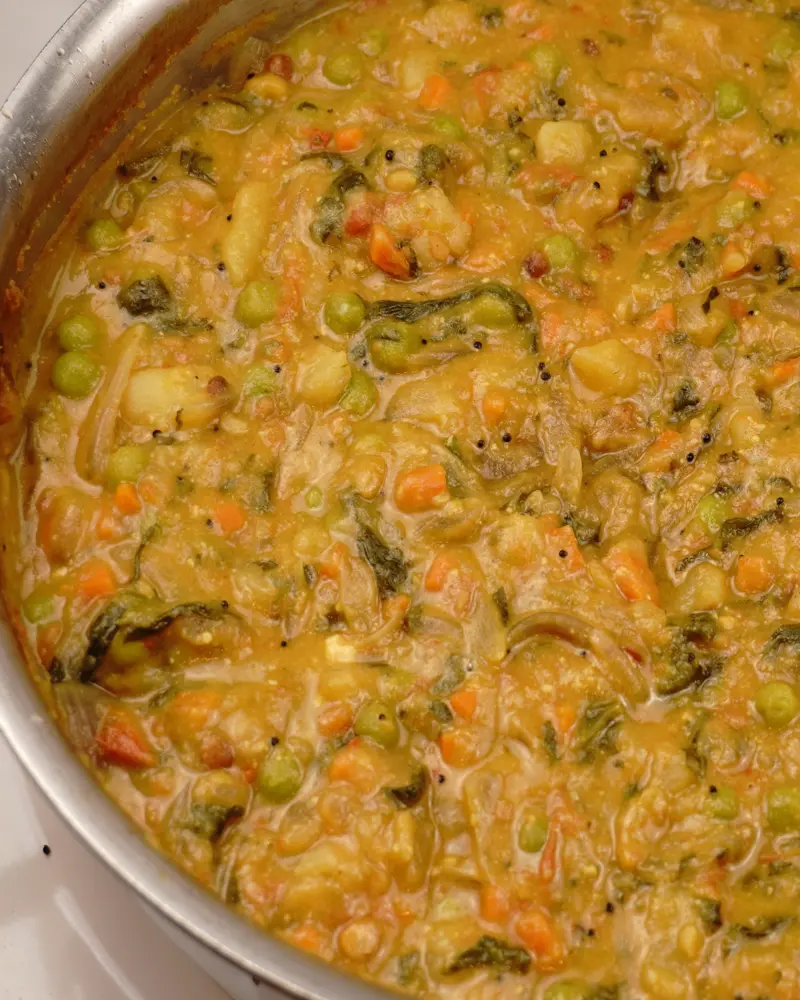
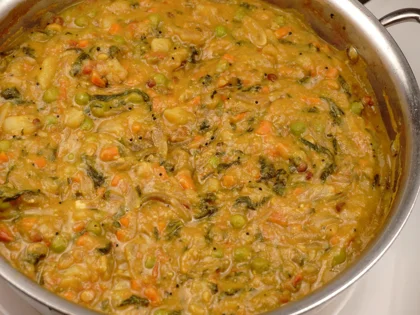
Check the Consistency: Cook until the masala reaches a slightly thick, pourable consistency without being watery.
Season to Taste: Taste the masala and add a final pinch of salt if needed
Serve Hot!
Best enjoyed hot with a crispy sprouted legume dosai or soft idli! You can easily make your favorite breakfast using these nutrient-dense sprouted legumes, or alternate with healthy grains and millets like oats, barley, ragi, or kambu (pearl millet) to continuously elevate the nutrition of your meal.
Tips
💡 For Seasoning: Since the potatoes are boiled with 1 tsp of salt and we are using that same salted potato cooking water for the gravy. Add a small amount of salt each time when sautéing the onions and tomatoes to flavor. Always wait until the very end of the cooking process to taste the masala and adjust—adding more only if needed to avoid over-salting. For reference, I used a total of approximately 1 ¾ tsp of salt for this entire veggie poori masala recipe (which includes the 1 tsp used for boiling).
💡 The Key Ingredients: For restaurant-style flavor, key ingredients for this veggie poori masala are ghee and cashews. Do not skip them!
💡 Keep the Veggies Dry: Make sure vegetables like the onions, carrots, and spinach are completely dry before they hit the pan. If they are wet, the excess moisture will trap steam, causing the vegetables to boil instead of sautéing. Keeping them dry ensures they get a flavor.
💡 Avoid Steaming in a Crowded Pan: If your pan does get crowded, cook over medium-high heat. The higher heat quickly evaporates any released moisture, preventing the vegetables from steaming so they can sauté perfectly. Just be sure to stir frequently at this higher temperature to prevent burning and preserve the flavors.
💡 Attain mushy tomato: Make sure to cook the tomatoes until they are completely mushy. This is essential for removing their raw tomato flavor.
Frequently Asked Questions
Following FDA guidelines, do not leave it out for more than 2 hours. If your kitchen is very hot (above 90°F / 32°C), refrigerate the dish within 1 hour. Leaving cooked food out any longer allows harmful bacteria to grow quickly, so it is best to get it into the fridge right safely!
Put the masala into small, shallow containers with tight lids so it cools down quickly and evenly. Following FDA safety guidelines for cooked vegetables, you can safely store this masala in the refrigerator for 3 to 4 days.
You Might Also Like
Veggie Poori Masala Recipe
Traditional Poori Masala is usually made with just onions and potatoes. This recipe upgrades the classic version by mixing that hearty potato base with nutrient-dense vegetables like sweet carrots, green peas, and fresh spinach.
While this tasty masala is normally served with deep-fried pooris, you can swap them out for a crispy, sprouted legume dosai or soft idli (made from moong bean, chickpeas, black bean, kidney bean, or soybean). Pairing this veggie-packed masala with sprouted legumes creates a balanced meal. By choosing a sprouted batter instead of deep-fried pooris, you drastically reduce calories by avoiding the oil, lower the carbs through the sprouting process, and provide much more protein.
Want to pack even more protein into this meal? Here is how you can easily customize it to fit your goals:
🍳 If you eat eggs: Do what I did and make an egg-sprouted dosai with veggie poori masala!
🌱 If you are vegetarian: Simply add more green peas into the veggie poori masala.
Ingredients
- 300 g ( 2 medium) Potato
- 400 g ( 3 medium) Onion
- 200 g ( 2 medium) Tomato
- 75 g ( 1 medium) Carrot
- 75 g ( 3 handfuls) Spinach
- 100 g Frozen green peas
- 30 g (2 tbsp ) Pottukadalai
- 20 g (15 pieces) Raw Cashew
- 4 to 5 nos Green Chilis
- 2 to 3 cloves Garlic
- 1/2 inch Ginger
- 1 to 2 sprig Curry Leaves
- 1/2 tsp Mustard seeds
- 1 tsp Urad dal
- 1 tsp Channa dal
- 3/4 tsp Turmeric powder
- 2 tbsp Ghee
- 1 cup Coriander leaves
- approx. 1 3/4 tsp Salt
- approx. 350 ml Water
Instructions
-
Washing & Drying
Wash the peeled whole onion, whole carrot, and whole tomato thoroughly under cool running water. Place the washed veggies in a colander to air-dry for 20–30 minutes, or use a clean towel to pat them dry. Note on Spinach: If using pre-washed spinach, there is no need to wash it again—you can chop and use it directly.
-
Chop the Vegetables
Once the surfaces are completely dry, proceed with chopping or slicing as required.
Onions (400g / 3 medium): Thinly slice (cut in half if too long).
Tomatoes (200g / 2 medium): Remove core, seed, and finely chop to ensure they cook down quickly.
Carrot (75g / 1 medium): Peel and chop into small pieces.
Spinach (75g / 3 handfuls): I Used pre-washed spinach and roughly chopped it.
-
Preheat the Pan
Place a large, heavy-bottomed pan over medium heat and let it warm up for 2 to 3 minutes. Add 1 tbsp of ghee and let it heat through before adding the vegetables.
-
Saute the Onions
Add the sliced onions and salt. Sauté over medium heat for 4 to 5 minutes, stirring frequently, until most of their moisture evaporates and they soften.
-
Saute the Carrots
Stir in the chopped carrots and sauté them well in the hot ghee. Cook on medium-high heat for 2 to 3 minutes and stirring frequently.
-
Sauté the Tomatoes
Add the chopped tomatoes (200g). Cook for 3 to 4 minutes over medium heat, stirring occasionally, until they break down completely and turn mushy.
Tip: I used ripe tomatoes and chopped them into small pieces, which helps them turn soft and mushy faster!
-
Saute the Spinach
Add the chopped spinach and sauté for 1 to 2 minutes just until it softens and blends into the mixture.
-
Saute the paste
Add the prepared pottukadalai and cashew paste, then stir for a few minutes.
Add the Potato Water: Pour about 250 ml of the reserved potato cooking water into the pan and stir it well with the veggies. Turn the heat down to low so the mixture can simmer gently while you prepare your spices.
-
Add Potatoes, Peas, and Spices
Add Potatoes, Peas: Directly into your main veggie pan, crumble the boiled potatoes with your hands. Add 75 grams of green peas (if using frozen, you can add them directly).
Deglaze the Spice Pan: Pour the hot sautéed spices into the main pan. Pour a little extra hot water into the empty spice pan to deglaze it, swirling to catch all the leftover flavor, and pour that into the main pan too. Mix everything together well.
-
Final Simmer & Taste Adjust
Simmer the Masala: Cook uncovered over medium heat for 5 minutes, stirring occasionally.
Blend the Flavors: Cover the pan with a lid, reduce the heat to low, and cook for another 5 minutes to allow all the flavors to meld together.
Check the Consistency: Cook until the masala reaches a slightly thick, pourable consistency without being watery.
Season to Taste: Taste the masala and add a final pinch of salt if needed
Loading rating...
Write a Review
Loading reviews...