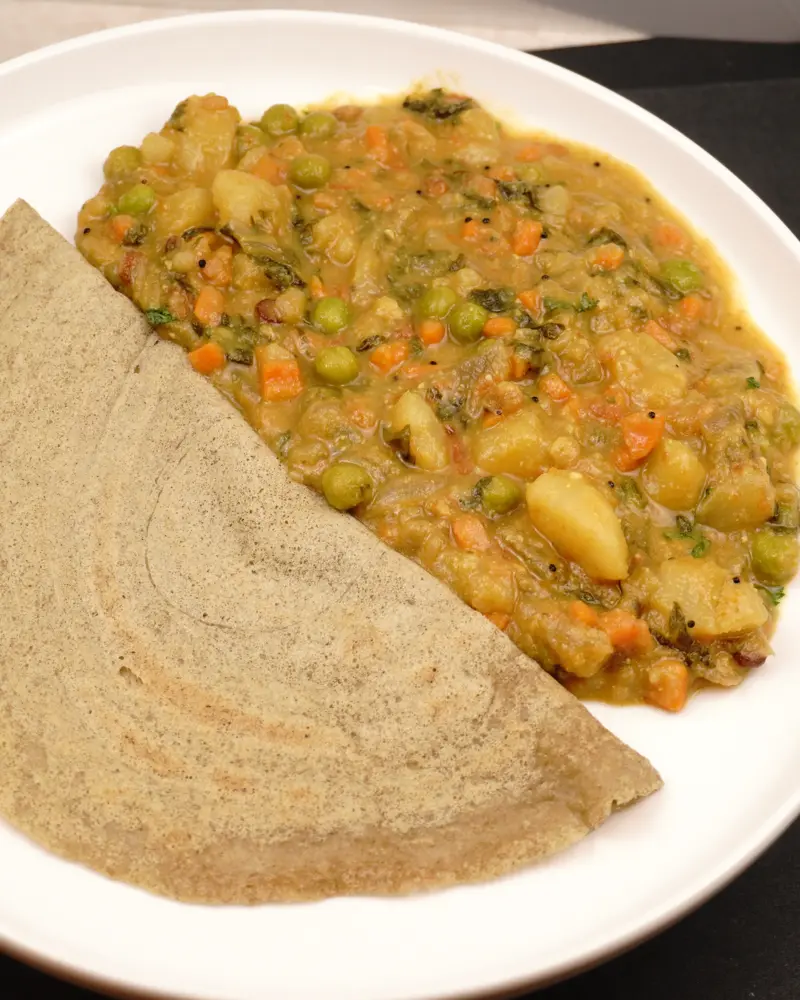
Restaurant Style Vegetable Sambar
by Viruthiga Veni
Loading rating...
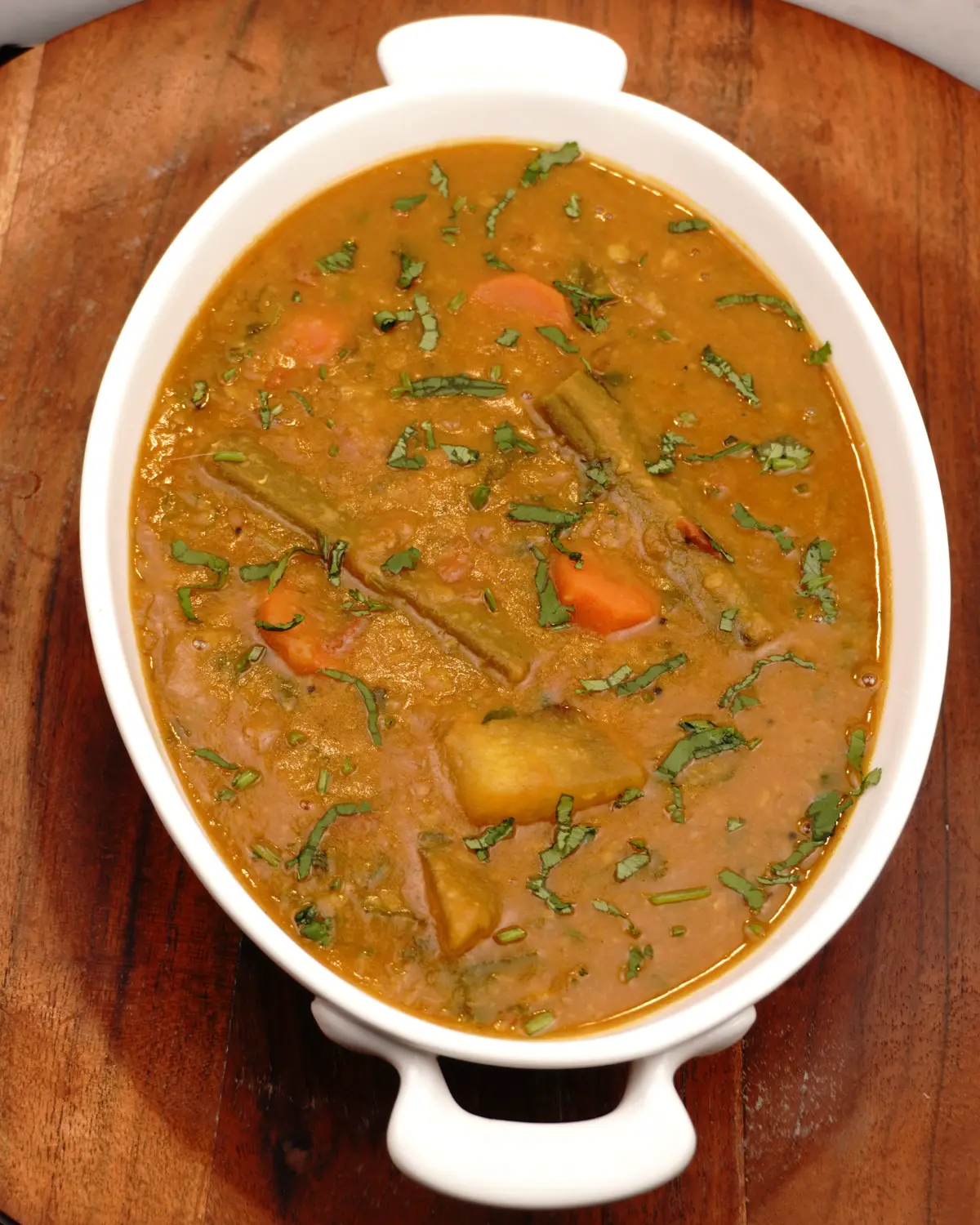
Sambar is a healthy vegetable curry. It is made by cooking lentils (pigeon peas) until they are soft and mixing them with a variety of vegetables and spices simmered in a tamarind broth. Even though it started in South India, this flavorful curry is now loved and eaten all over India.
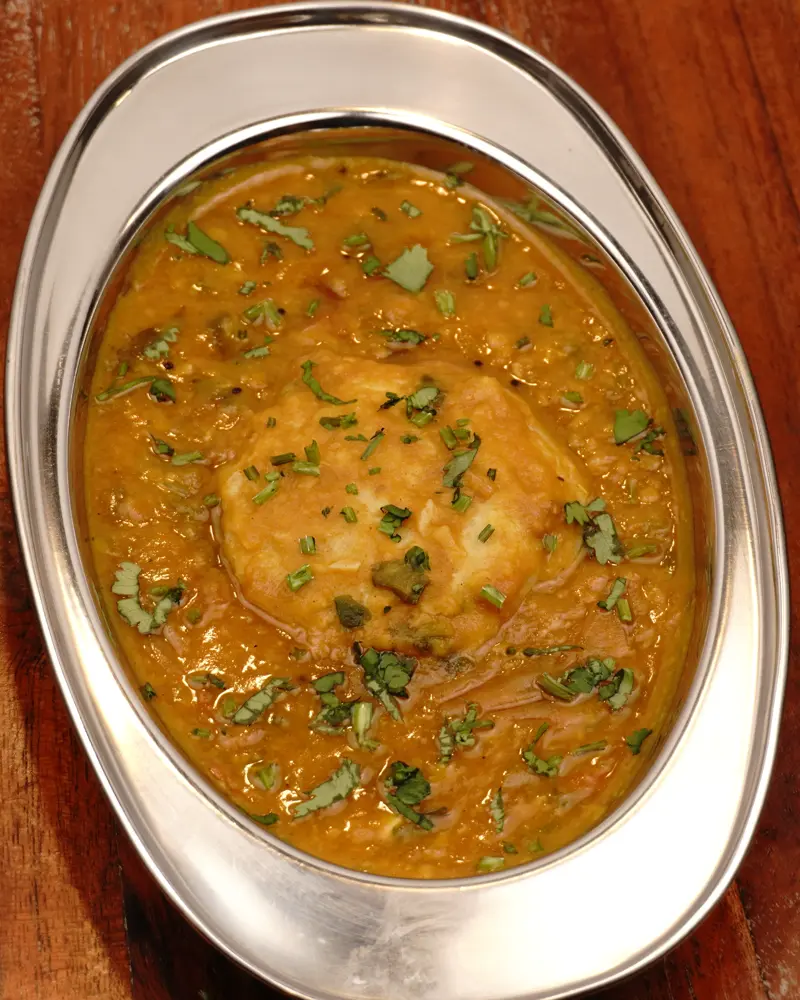
Sambar is a versatile dish that pairs perfectly with breakfast staples like idli, dosa, medu vada, and uttapam, as well as savory dishes like upma and ven Pongal. For lunch or dinner, it is most commonly poured over hot steamed rice. Some people even enjoy it with flatbreads like chapati or healthy grains.
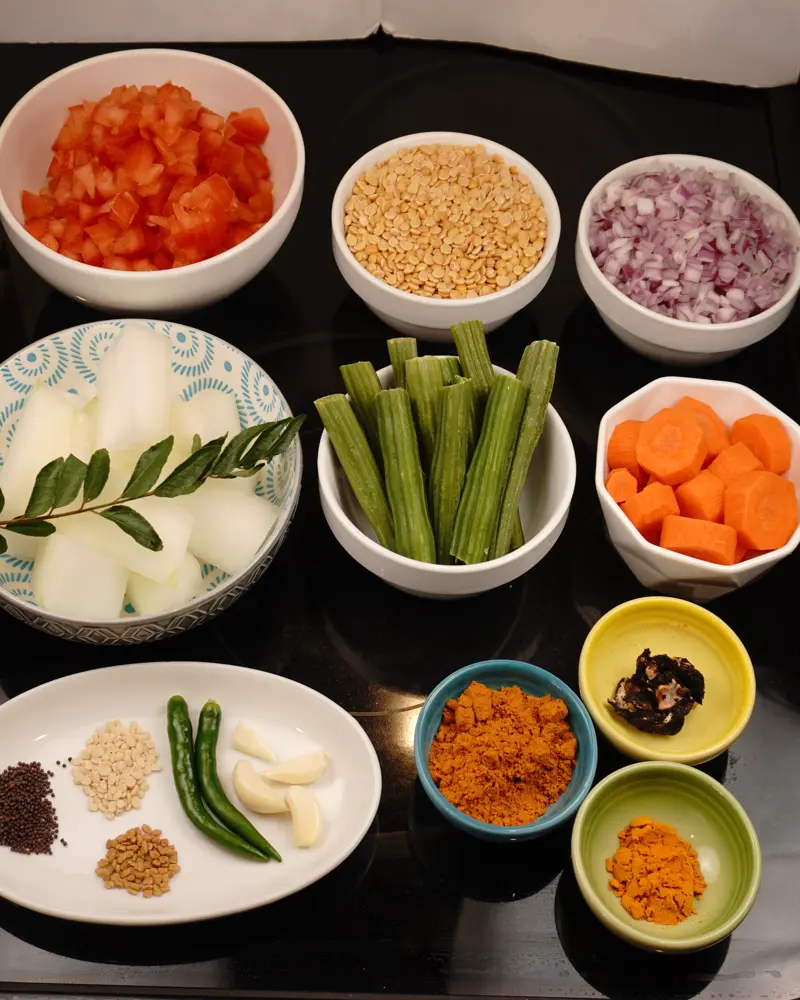
Ingredients
Toor dal (pigeon peas) – 200 grams ( 2 cup)
Red Onion or Shallots – 150 g (approx. ¾ medium red onion, OR 12–15 small Indian shallots, OR 5–6 large Western shallots)
Tomatoes – 300 grams ( 3 to 4 )
Drumstick – 11 pieces approx.
Carrot – 1 small cup (big size -1, small size -2)
White pumpkin – 1 cup ( 250 grams)
Curry leaves – 1 sprig
Sambar powder – 2 tbsp
Turmeric powder – 3/4 tsp
chopped Coriander leaves – 1 cup
Mustard seeds – ½ tsp
Urad dal – ½
Fenugreek seeds – ¼ tsp
Garlic – 4 to 5 cloves
Oil – 2 tbsp
Ghee – 2 tbsp
Salt – As required (approx, 2 tsp)
Water – As required ( approx. 1000 ml)
Green chili – 2 to 3
Preparation of vegetables
Rinsing veggies
Rinse: Wash all vegetables—including the whole peeled onion, whole tomatoes, whole carrots, whole drumsticks, small size pumpkin, and chilies—thoroughly under cool running water.
Read more: How to Wash Hard Vegetables: Tap vs. Bowl
Coriander Care: Submerge coriander leaves in a bowl of water and change the water several times until no dirt remains.
Drying Veggies
Air-Dry: Place the washed veggies in a colander to air-dry for 20–30 minutes, or use a clean towel to pat them dry.
Speed Tip: To dry the veggies faster, place the colander near an open window or under a kitchen fan.
Quick Fix: Use a paper towel if you are short on time.
Important Note: Ensure the vegetables are completely dry before beginning to chop them.
Cutting veggies
Once the surfaces are completely dry, proceed with peeling, chopping or slicing as required.
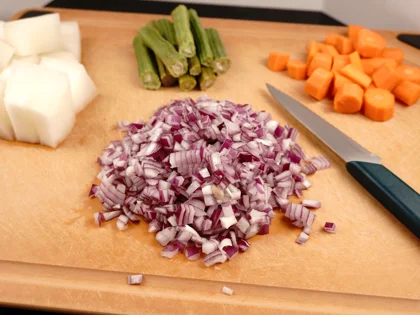
Onion : Make sure the onions are thinly sliced or finely chopped to speed up the browning process.
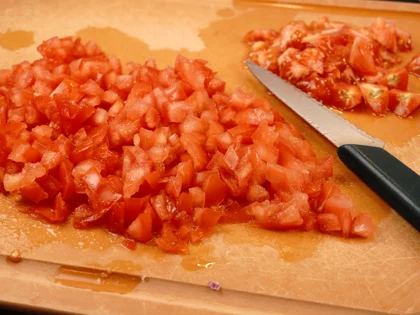
Tomatoes : To prepare the tomatoes, slice them in half with a sharp knife and remove the stem, the tough core, and the seeds. Discard those parts and chop the remaining flesh into small pieces so they cook down into a mushy consistency quickly.
Carrots : Cut off both ends of the carrot then chop them in to medium size pieces.
Drumstick : If the drumstick skins are thick, lightly scrape the outer skin with a knife. This removes bitterness and helps the flavors soak in, making them much easier to eat! However, if the drumsticks are very young and thin, no scraping is required. These are tender enough to cook perfectly as they are.
White Pumpkin : Peel the tough skin, remove the seeds, and chop the flesh into medium size pieces.
Coriander leaves (1 cup) : Make sure the coriander leaves are entirely dry before chopping them very finely.
Pro Tip : Once your vegetables (onions, drumsticks, carrots, and pumpkin) are chopped, avoid soaking them in plain water bowl. They will soak up extra water, which washes away their natural flavor and healthy nutrients. This also makes the texture soggy. For the best taste, keep them dry until they are ready to cook!
Other ingredients
Garlic and Green Chili : Slit the green chili using a knife or scissors. Peel the garlic and chop into small pieces
Ground Spices : I used home made sambar powder and turmeric powder.
Prepare tamarind extract
Soak, mash and strain
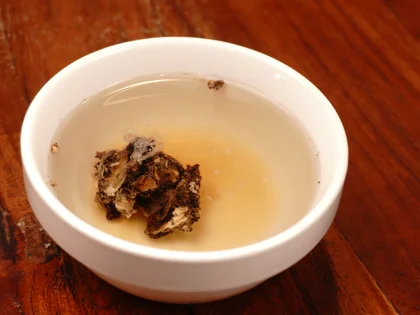
Soak - Place a small lemon-sized ball of dry tamarind in a small bowl and pour approx. 150 ml of hot water over it. Let it soak for 10 to 15 minutes to soften.
Mash - Once the tamarind is soft and the water has cooled slightly, use your fingers to mash and squeeze the pulp thoroughly. This releases the concentrated juice into the water.
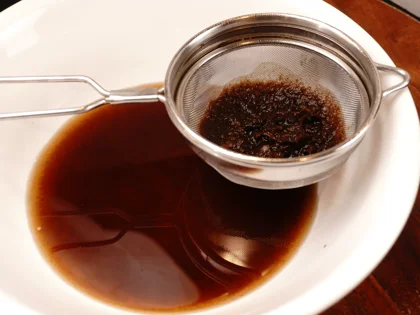
Strain - Pour the mixture through a fine-mesh strainer into a clean bowl. Press down on the pulp with a spoon to get every last bit of liquid.
Note: Make sure to use small amount of tamarind.
Pressure cook the Toor dal
Rinse the dal
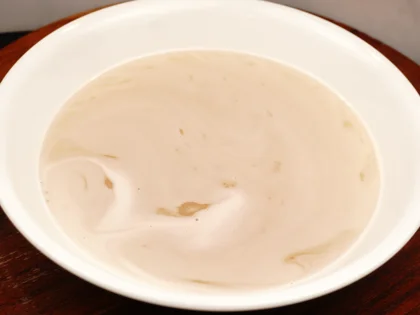
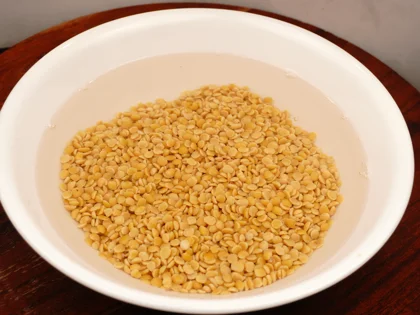
Place 200 grams of dal in a bowl and fill it with water. Gently scrub the lentils with your hands; the water will likely turn cloudy from starch and dust. Drain the water and repeat this process 4 to 5 times until the water runs clear.
Initial Boil to remove foam
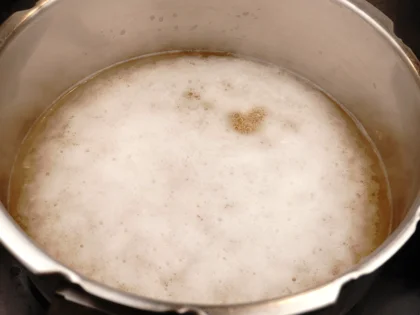
Combine 1 cup toor dal and 3 cups water in a pan. Bring to a boil for 5 to 10 minutes. You will see foam collecting on the surface; remove as much as possible with a slotted spoon.
Pressure cook
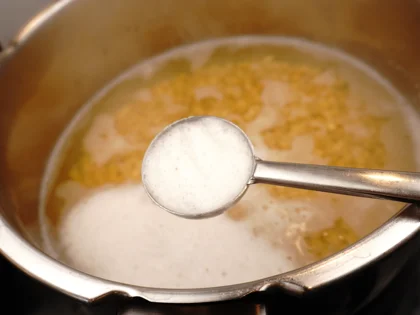
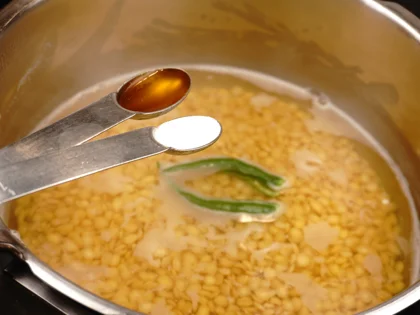
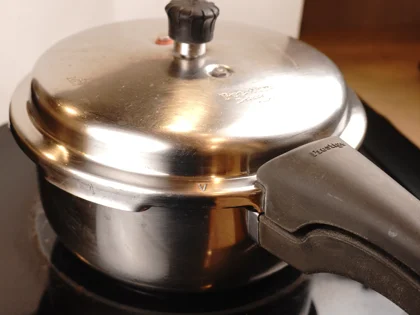
Add 1 tsp salt, 2 to 3 green chilies, and 1 tsp ghee to the pan. Secure the lid and pressure cook on medium heat for 1 whistle. After the first whistle, reduce the heat to low (around setting 2 on a 10-point dial) for 3 whistles. Remove the pan from the heat and allow the pressure to release naturally.
Note: If you want more heat, add extra green chilies while boiling the dal.
Mash the dal
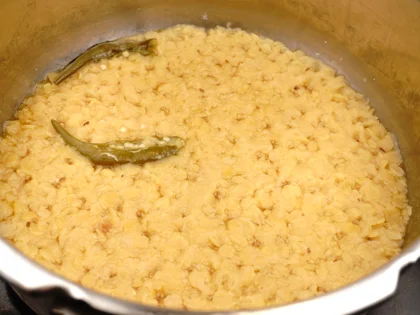
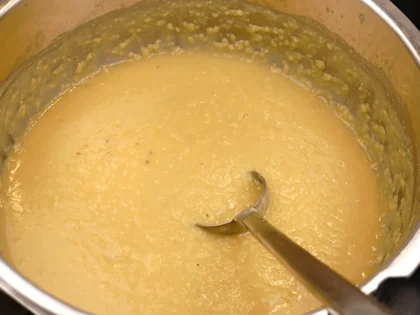
Once the pressure has released naturally, open the lid and remove the green chilies. Mash the dal thoroughly using a masher or the back of a slotted spoon until smooth.
Tip: Mash the dal while it is still hot; it is much easier to get a smooth texture before it cools.
Note: Mashing the dal until smooth makes the sambar creamy and thick and prevent watery consistency sambar.
Sauté the Vegetables & Spices
Preheat a heavy bottomed pot then add oil
Preheat a pot over medium heat for 2 to 3 minutes, then add 2 to 3 tbsp of oil (or a mix of oil and ghee). Allow the oil to heat for a few more minutes before adding the onions.
Note: Use neutral oils like vegetable, peanut, corn, or canola for browning the onions and veggies; however, adding ghee along with the oil gives more flavor than using oil alone.
Vegan Version: Simply use coconut oil instead of ghee.
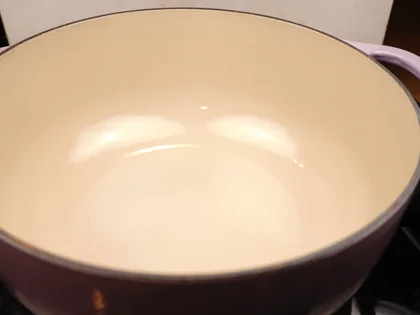
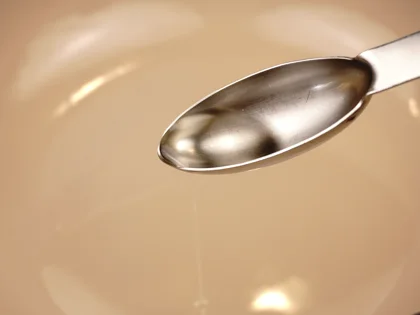
Add chopped onion & salt
Once the oil is hot, add 150g of chopped onions (approx. ¾ medium red onion, OR 12–15 small Indian shallots, OR 5–6 large Western shallots) and a pinch of salt. Sauté over medium heat for 15 to 20 minutes, stirring often so they don't stick. Aim for a light brown color. As the moisture evaporates, turn the heat down to medium-low. This ensures they light brown evenly and prevents them from burning.
Note: Be patient— the base flavor in your sambar comes from the light browning of these onions. Wait for them to reach a rich, light-brown shade rather than rushing this step.
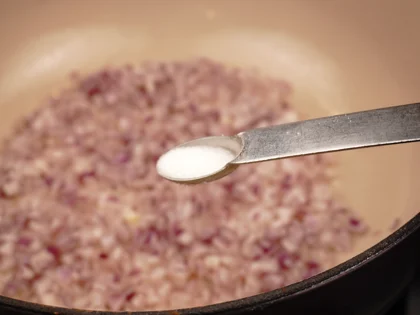
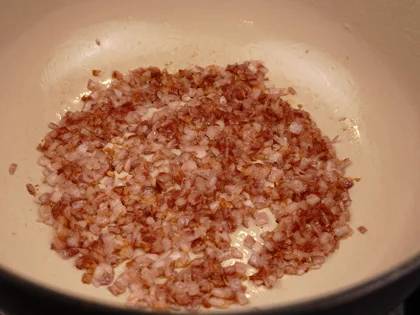
First, add the hard vegetables
Add 11 to 12 drumstick pieces and a small cup of chopped carrot. Sauté both vegetables in oil for about 5 minutes with little salt.
Note: Make sure the vegetables are completely dry before they hit the pan. Sautéing them thoroughly lightly browns their surface, allowing them to absorb the savory essence of the onions.
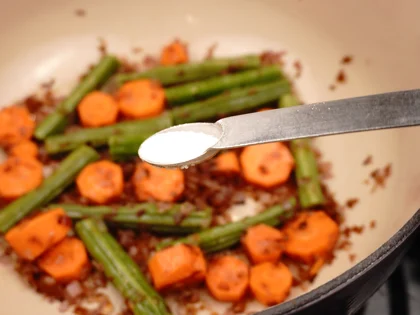
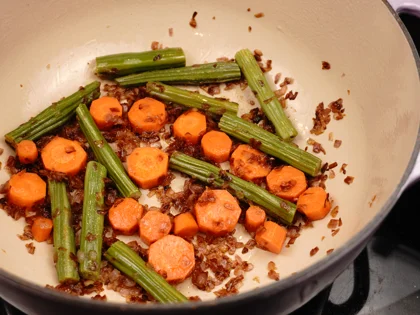
Second add soft vegetables
Add 250 grams of medium-sized chopped white pumpkin. Sauté for 4 to 5 minutes.
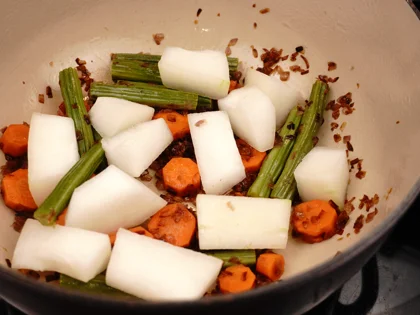
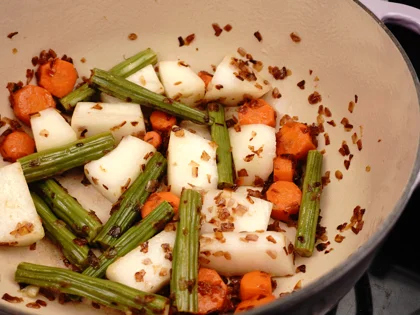
Add ground spices
Lower the heat. If it looks dry, pour in ½ tablespoon of oil before adding 2 tablespoons of sambar powder and ¾ teaspoon of turmeric. Stir well, letting the spices toast in the oil for 30 to 45 seconds.
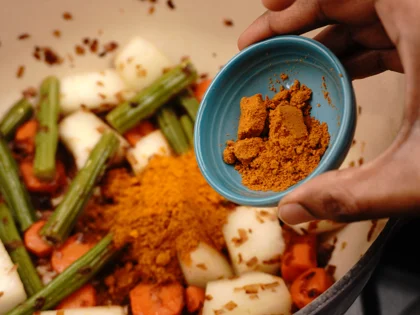
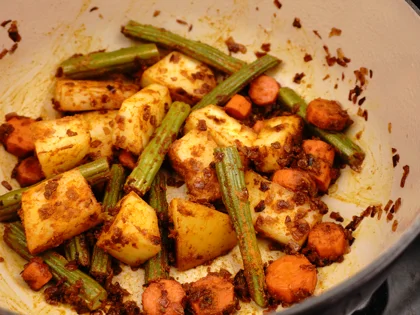
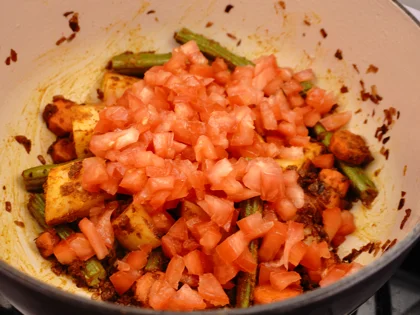
Add chopped tomatoes
Add 300 grams of chopped tomatoes (about 3 to 4 medium tomatoes). Sauté for 8 to 10 minutes until they soften and completely break down.
Note: Make sure to cook the tomatoes until they are completely mushy. This is essential for removing their raw tomato flavor.
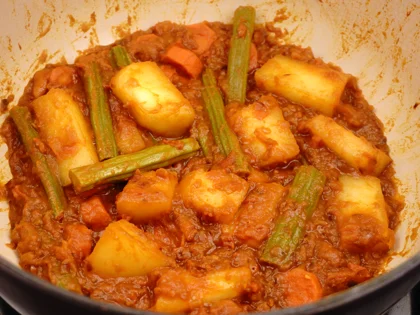
Cook the Base
Add tamarind extract
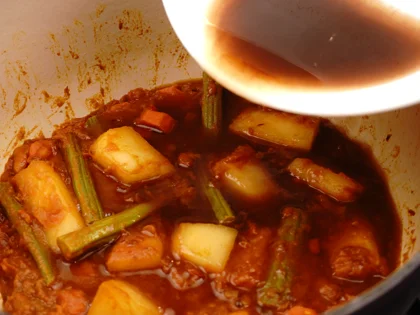
Pour the tamarind liquid over the vegetables in the pan. If needed, add an extra 100 ml of water. Cook for about 5 minutes over medium high heat and stir frequently.
Note: Cook in an open pan (without a lid) to allow the raw smell of the tamarind to evaporate.
Close the pot with a lid on low heat
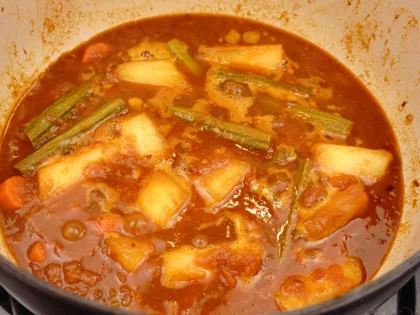
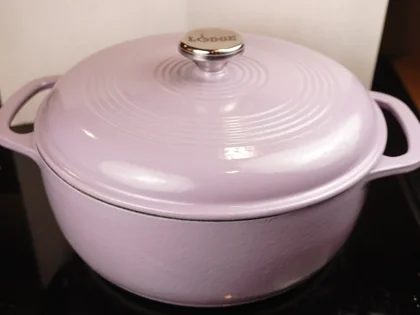
Once the liquid reaches a steady boil (the liquid is bubbling strongly and consistently, not just a few tiny bubbles), reduce the heat to low(around setting 2 on a 10-point dial) and cover the pan. Cook for about 10 minutes to allow the vegetables and spices to cook in the tamarind extract.
Combine and Finish
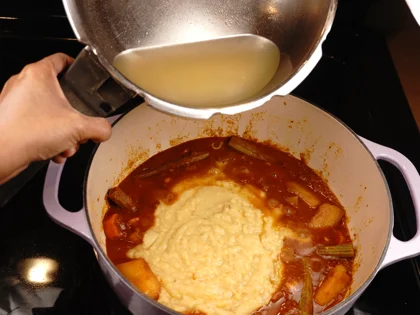
Add mashed dal and boil
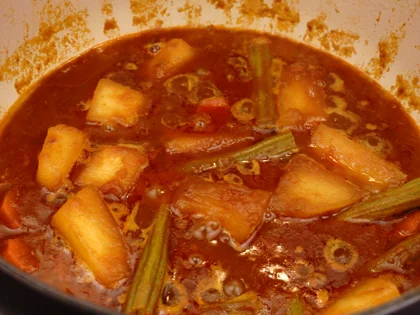
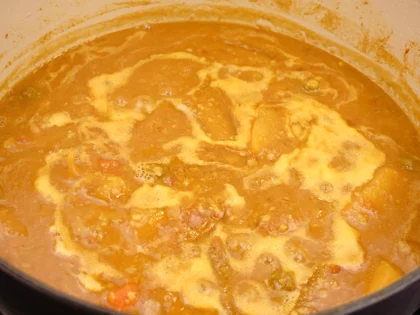
Add 200 grams of mashed dal to the pan. Rinse the dal container with about 250 ml of water and add that as well. Stir in an additional 250 ml of water. Use a ladle to mix thoroughly, adding more water if needed to achieve the preferred consistency.
Boil - Let the mixture cook uncovered over medium high heat for 5 to 6 minutes, or until it reaches a steady boil.
Note - When cooking on medium-high heat, stir the pot often. This keeps them moving so they do not stick and burn to the bottom
Cook on Low Heat
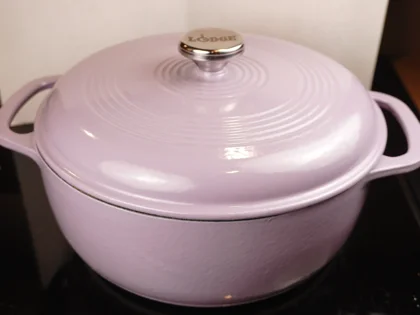
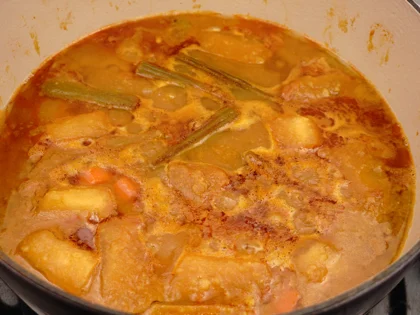
Once the liquid reaches a steady boil (the liquid is bubbling strongly and consistently, not just a few tiny bubbles), reduce heat to low (around setting 2 on a 10-point dial), cover the pan with lid, and let it everything cook for about 15 minutes.
The Final Tempering (Tadka)
Prepare the Tadka
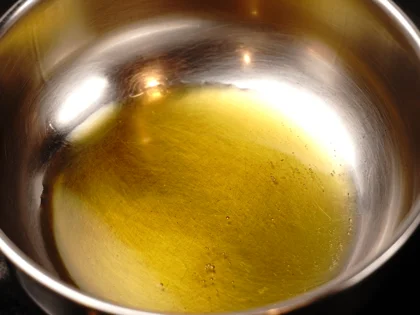
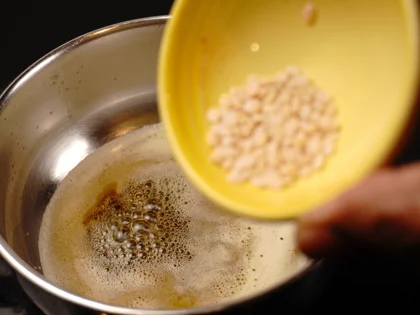
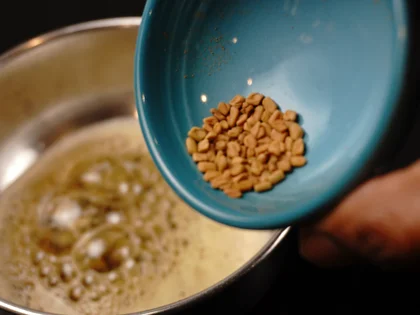
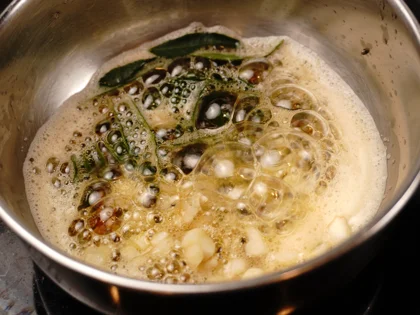
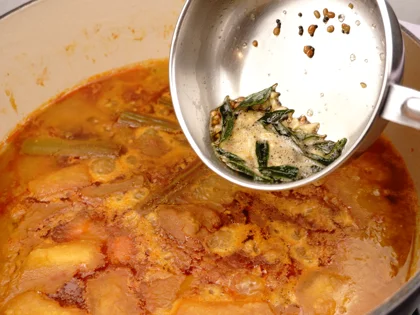
Heat 1 tbsp ghee or sesame oil. Once hot, reduce the heat to low. Add ½ tsp mustard seeds and wait for them to begin popping. Next, add ½ tsp urad dal and sauté until it turns light brown. Add ¼ tsp fenugreek seeds, followed by 1 sprig of curry leaves and 4 to 5 cloves of chopped garlic. Sauté until the garlic turns a light golden color.
Add the tempering and fresh herbs:
Pour the hot tempering over the vegetable sambar.
Taste and Adjust: Taste the sambar just before or after adding the final tadka. Add salt if needed, adding a small amount at a time and tasting again until the flavors are perfectly balanced.
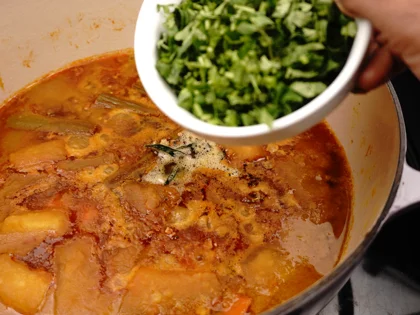
Turn off the heat and stir in 1 cup of freshly chopped coriander leaves.
Note: Add the finely chopped coriander stems while the curry cook on low heat, but stir in the coriander leaves only after turning off the heat.
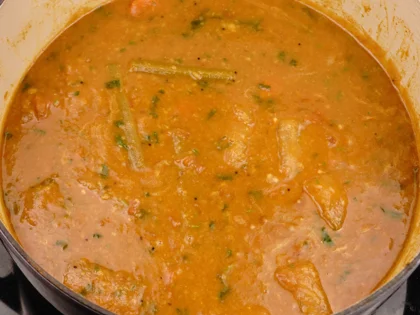
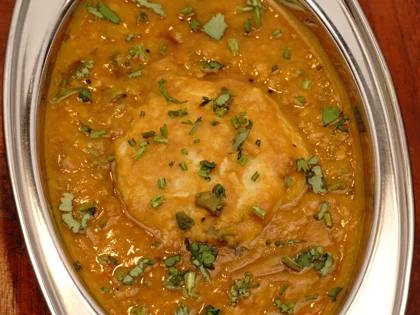
Your delicious vegetable sambar is now ready to serve! Enjoy it hot with steamed rice, idli, or crispy dosa.
Tips
💡 If the drumstick skins are thick, use a knife to lightly scrape the surface. This removes bitterness and helps the flavors soak in, making them much easier to eat! However, if the drumsticks are very young and thin, you don't need to scrape them at all. These are tender enough to cook perfectly with the skin on
💡 Dry them well! Wash whole vegetables in cold water and dry them thoroughly with a towel or colander before you begin to chop. Removing surface moisture is the secret to achieving better browning and a firm texture during cooking.
💡 Once your vegetables (onions, drumsticks, carrots, and pumpkin) are chopped, avoid soaking them in plain water bowl. They will soak up extra water, which washes away their natural flavor and healthy nutrients. This also makes the texture soggy. For the best taste, keep them dry until they are ready to cook!
💡 The Dal Foundation: Mash the dal thoroughly using a masher or the back of a slotted spoon until smooth. Mashing the toor dal into a fine paste makes the sambar creamy and thick, preventing a watery consisteny sambar.
💡 Note: Be patient— the base flavor in your sambar comes from the light browning of these onions. Wait for them to reach a golden-brown shade rather than rushing this step.
💡 Attain mushy tomato: Make sure to cook the tomatoes until they are completely mushy. This is essential for removing their raw tomato flavor.
💡 The Sauté Secret: Sauté your prepared vegetables—such as drumsticks, carrots, and pumpkin—along with onions for a few minutes before adding liquids. Sautéing them thoroughly lightly browns their surface and allows them to absorb the onions' savory essence. This step is important for a rich flavor in your sambar.
💡 Sauté your ground spices on low heat to avoid a burnt or bitter taste. If the mixture looks too dry, add a half tablespoon of oil; this helps the spices toast evenly without sticking to the pan.
💡 Tamarind Balance: Allow the sambar to cook without a lid until the raw smell of the tamarind completely disappears. Then, cover the pan and cook on low heat for 10 minutes to allow the vegetables and spices to cook with the tamarind extract. ( Make sure to use small amount of tamarind in the sambar)
💡 Prevent Sticking: When cooking on medium-high heat, stir the pot frequently. This keeps them moving so they do not stick and burn to the bottom.
💡 The Final Tadka (Tempering):Be careful not to burn the tadka, as it can affect the aroma of the entire pot.
💡 Since the dal was already cooked with salt, add only a small amount each time you add onions, vegetables, or tomatoes. Taste and adjust the salt in the sambar towards the end of the cooking process—just before or after adding the final tadka—and add more only if needed to avoid over-salting
💡 Adjusting Spice: I used fewer green chilies because my sambar powder is already spicy. If you want more heat, add extra green chilies while boiling the dal and additional red chili powder while sautéing the vegetables
Frequently Asked Questions
For mature or thick drumsticks, use a knife to lightly shave the outer layer. This simple step makes a huge difference:
Remove bitterness: The thick outer skin can taste bitter. Scraping it away makes the drumstick taste much better.
Better flavor Absorption: Thick skin acts like a shield. Scraping helps the tasty spices and juices soak into the vegetable while it cooks.
Easier to eat: Thick drumsticks can feel like wood. Scraping makes them softer and much easier to chew.
Clean better: Dirt gets trapped in the rough, bark-like skin. Scraping helps remove any hidden grit that washing might miss.
Pro Tip: If the drumstick is very young and thin, you don't need to scrape it at all. These are tender enough to cook perfectly with the skin on!
Hold the drumstick firmly: Use one hand to hold the pod and the other to handle the knife.
Gently rub the edge: Use the edge (or the back) of your knife to lightly shave the surface.
Remove the "bark": Peel away only the rough, papery green outer layer.
Don't go too deep: Avoid deep peeling; you want to keep the structure strong so the drumstick doesn't fall apart while cooking.
Pro Tip: If the drumstick is very young and thin, you don't need to scrape it at all. These are tender enough to cook perfectly with the skin on!
After rinsing under cold water, you can pat them dry with a clean towel for a quick fix or let them air-dry in a colander for 20–30 minutes. To speed up the process, place the colander near an open window or under a kitchen fan.
It wastes nutrients: Healthy vitamins (like Vitamin C) leak out into the water and are lost.
It washes away flavor: The "tasty juices" that make vegetables delicious are rinsed away, leaving them tasting bland.
It affects the texture: Chopped vegetables act like sponges and it will absorb extra water.
It stops the sizzle: If they soak up water, they will steam in the pan and turn soggy instead of frying
Ensuring vegetables are dry is the secret to better browning and texture. If they are wet when they hit the hot oil, they will steam instead of fry, resulting in a mushy texture and less flavor.
Mashing ensures a creamy and thick consistency. It allows the lentils to blend perfectly with the tamarind water and vegetables, preventing a watery sambar with whole grains sitting at the bottom.
If you don’t wait for the onions to color, your sambar will taste like plain boiled onions. Without that golden-brown caramelization, you lose the flavor that defines a great sambar. No color means no flavor!
Sautéing the vegetables thoroughly in oil lightly browns their surface and allows them to absorb the savory essence of the onions. This step is important for developing a rich flavor in your sambar.
Tip: Make sure the veggies are dry before they hit the pan to ensure they brown properly instead of steaming.
The "Dunk and Lift" method is the most effective. Because coriander leaves are delicate and often very sandy, simply rinsing them under a tap can fail to remove hidden dirt or tear the fragile greens.
Dunk: Put the herbs in a bowl of cold water and swish them around to loosen dirt.
Lift: Pull the herbs up and out of the water so the dirt stays at the bottom.
Refill: Throw away the dirty water and repeat until the water stays clear.
You Might Also Like

Restaurant Style Vegetable Sambar Recipe
Sambar is a healthy vegetable curry. It is made by cooking lentils (pigeon peas) until they are soft and mixing them with a variety of vegetables and spices simmered in a tamarind broth. Even though it started in South India, this flavorful curry is now loved and eaten all over India.
Sambar is a versatile dish that pairs perfectly with breakfast staples like idli, dosa, medu vada, and uttapam, as well as savory dishes like upma and ven Pongal. For lunch or dinner, it is most commonly poured over hot steamed rice. Some people even enjoy it with flatbreads like chapati or healthy grains.
Ingredients
- 200 grams ( 2 cup) Toor dal (pigeon peas)
- 150 g (approx. ¾ medium red onion, OR 12–15 small Indian shallots, OR 5–6 large Western shallots) Red Onion or Shallots
- 300 grams ( 3 to 4 ) Tomatoes
- 11 pieces approx. Drumstick
- 1 small cup (big size -1, small size -2) Carrot
- 1 cup ( 250 grams) White pumpkin
- 1 sprig Curry leaves
- 2 tbsp Sambar powder
- 3/4 tsp Turmeric powder
- 1 cup chopped Coriander leaves
- ½ tsp Mustard seeds
- ½ Urad dal
- ¼ tsp Fenugreek seeds
- 4 to 5 cloves Garlic
- 2 tbsp Oil
- 2 tbsp Ghee
- As required (approx, 2 tsp) Salt
- As required ( approx. 1000 ml) Water
- 2 to 3 Green chili
Instructions
-
Rinsing veggies
Rinse: Wash all vegetables—including the whole peeled onion, whole tomatoes, whole carrots, whole drumsticks, small size pumpkin, and chilies—thoroughly under cool running water.
Read more: How to Wash Hard Vegetables: Tap vs. Bowl
Coriander Care: Submerge coriander leaves in a bowl of water and change the water several times until no dirt remains.
-
Drying Veggies
Air-Dry: Place the washed veggies in a colander to air-dry for 20–30 minutes, or use a clean towel to pat them dry.
Speed Tip: To dry the veggies faster, place the colander near an open window or under a kitchen fan.
Quick Fix: Use a paper towel if you are short on time.
Important Note: Ensure the vegetables are completely dry before beginning to chop them.
-
Cutting veggies
Once the surfaces are completely dry, proceed with peeling, chopping or slicing as required.
Onion : Make sure the onions are thinly sliced or finely chopped to speed up the browning process.
Tomatoes : To prepare the tomatoes, slice them in half with a sharp knife and remove the stem, the tough core, and the seeds. Discard those parts and chop the remaining flesh into small pieces so they cook down into a mushy consistency quickly.
Carrots : Cut off both ends of the carrot then chop them in to medium size pieces.
Drumstick : If the drumstick skins are thick, lightly scrape the outer skin with a knife. This removes bitterness and helps the flavors soak in, making them much easier to eat! However, if the drumsticks are very young and thin, no scraping is required. These are tender enough to cook perfectly as they are.
White Pumpkin : Peel the tough skin, remove the seeds, and chop the flesh into medium size pieces.
Coriander leaves (1 cup) : Make sure the coriander leaves are entirely dry before chopping them very finely.
Pro Tip : Once your vegetables (onions, drumsticks, carrots, and pumpkin) are chopped, avoid soaking them in plain water bowl. They will soak up extra water, which washes away their natural flavor and healthy nutrients. This also makes the texture soggy. For the best taste, keep them dry until they are ready to cook!
-
Soak, mash and strain
Soak - Place a small lemon-sized ball of dry tamarind in a small bowl and pour approx. 150 ml of hot water over it. Let it soak for 10 to 15 minutes to soften.
Mash - Once the tamarind is soft and the water has cooled slightly, use your fingers to mash and squeeze the pulp thoroughly. This releases the concentrated juice into the water.
Strain - Pour the mixture through a fine-mesh strainer into a clean bowl. Press down on the pulp with a spoon to get every last bit of liquid.
Note: Make sure to use small amount of tamarind.
-
Rinse the dal
Place 200 grams of dal in a bowl and fill it with water. Gently scrub the lentils with your hands; the water will likely turn cloudy from starch and dust. Drain the water and repeat this process 4 to 5 times until the water runs clear.
-
Initial Boil to remove foam
Combine 1 cup toor dal and 3 cups water in a pan. Bring to a boil for 5 to 10 minutes. You will see foam collecting on the surface; remove as much as possible with a slotted spoon.
-
Pressure cook
Add 1 tsp salt, 2 to 3 green chilies, and 1 tsp ghee to the pan. Secure the lid and pressure cook on medium heat for 1 whistle. After the first whistle, reduce the heat to low (around setting 2 on a 10-point dial) for 3 whistles. Remove the pan from the heat and allow the pressure to release naturally.
Note: If you want more heat, add extra green chilies while boiling the dal.
-
Mash the dal
Once the pressure has released naturally, open the lid and remove the green chilies. Mash the dal thoroughly using a masher or the back of a slotted spoon until smooth.
Tip: Mash the dal while it is still hot; it is much easier to get a smooth texture before it cools.
Note: Mashing the dal until smooth makes the sambar creamy and thick and prevent watery consistency sambar.
-
Preheat a heavy bottomed pot then add oil
Preheat a pot over medium heat for 2 to 3 minutes, then add 2 to 3 tbsp of oil (or a mix of oil and ghee). Allow the oil to heat for a few more minutes before adding the onions.
Note: Use neutral oils like vegetable, peanut, corn, or canola for browning the onions and veggies; however, adding ghee along with the oil gives more flavor than using oil alone.
Vegan Version: Simply use coconut oil instead of ghee.
-
Add chopped onion & salt
Once the oil is hot, add 150g of chopped onions (approx. ¾ medium red onion, OR 12–15 small Indian shallots, OR 5–6 large Western shallots) and a pinch of salt. Sauté over medium heat for 15 to 20 minutes, stirring often so they don't stick. Aim for a light brown color. As the moisture evaporates, turn the heat down to medium-low. This ensures they light brown evenly and prevents them from burning.
Note: Be patient— the base flavor in your sambar comes from the light browning of these onions. Wait for them to reach a rich, light-brown shade rather than rushing this step.
-
First, add the hard vegetables
Add 11 to 12 drumstick pieces and a small cup of chopped carrot. Sauté both vegetables in oil for about 5 minutes with little salt.
Note: Make sure the vegetables are completely dry before they hit the pan. Sautéing them thoroughly lightly browns their surface, allowing them to absorb the savory essence of the onions.
-
Second add soft vegetables
Add 250 grams of medium-sized chopped white pumpkin. Sauté for 4 to 5 minutes.
-
Add ground spices
Lower the heat. If it looks dry, pour in ½ tablespoon of oil before adding 2 tablespoons of sambar powder and ¾ teaspoon of turmeric. Stir well, letting the spices toast in the oil for 30 to 45 seconds.
-
Add chopped tomatoes
Add 300 grams of chopped tomatoes (about 3 to 4 medium tomatoes). Sauté for 8 to 10 minutes until they soften and completely break down.
Note: Make sure to cook the tomatoes until they are completely mushy. This is essential for removing their raw tomato flavor.
-
Add tamarind extract
Pour the tamarind liquid over the vegetables in the pan. If needed, add an extra 100 ml of water. Cook for about 5 minutes over medium high heat and stir frequently.
Note: Cook in an open pan (without a lid) to allow the raw smell of the tamarind to evaporate.
-
Close the pot with a lid on low heat
Once the liquid reaches a steady boil (the liquid is bubbling strongly and consistently, not just a few tiny bubbles), reduce the heat to low(around setting 2 on a 10-point dial) and cover the pan. Cook for about 10 minutes to allow the vegetables and spices to cook in the tamarind extract.
-
Add mashed dal and boil
Add 200 grams of mashed dal to the pan. Rinse the dal container with about 250 ml of water and add that as well. Stir in an additional 250 ml of water. Use a ladle to mix thoroughly, adding more water if needed to achieve the preferred consistency.
Boil - Let the mixture cook uncovered over medium high heat for 5 to 6 minutes, or until it reaches a steady boil.
Note - When cooking on medium-high heat, stir the pot often. This keeps them moving so they do not stick and burn to the bottom -
Cook on Low Heat
Once the liquid reaches a steady boil (the liquid is bubbling strongly and consistently, not just a few tiny bubbles), reduce heat to low (around setting 2 on a 10-point dial), cover the pan with lid, and let it everything cook for about 15 minutes.
-
Prepare the Tadka
Heat 1 tbsp ghee or sesame oil. Once hot, reduce the heat to low. Add ½ tsp mustard seeds and wait for them to begin popping. Next, add ½ tsp urad dal and sauté until it turns light brown. Add ¼ tsp fenugreek seeds, followed by 1 sprig of curry leaves and 4 to 5 cloves of chopped garlic. Sauté until the garlic turns a light golden color.
-
Add the tempering and fresh herbs:
Pour the hot tempering over the vegetable sambar.
Taste and Adjust: Taste the sambar just before or after adding the final tadka. Add salt if needed, adding a small amount at a time and tasting again until the flavors are perfectly balanced.
Turn off the heat and stir in 1 cup of freshly chopped coriander leaves.
Note: Add the finely chopped coriander stems while the curry cook on low heat, but stir in the coriander leaves only after turning off the heat.
Your delicious vegetable sambar is now ready to serve! Enjoy it hot with steamed rice, idli, or crispy dosa.
Loading rating...
Write a Review
Loading reviews...