Pot-Cooked Mutton Curry (Baby Goat) — Restaurant Style
by Viruthiga Veni
Loading rating...
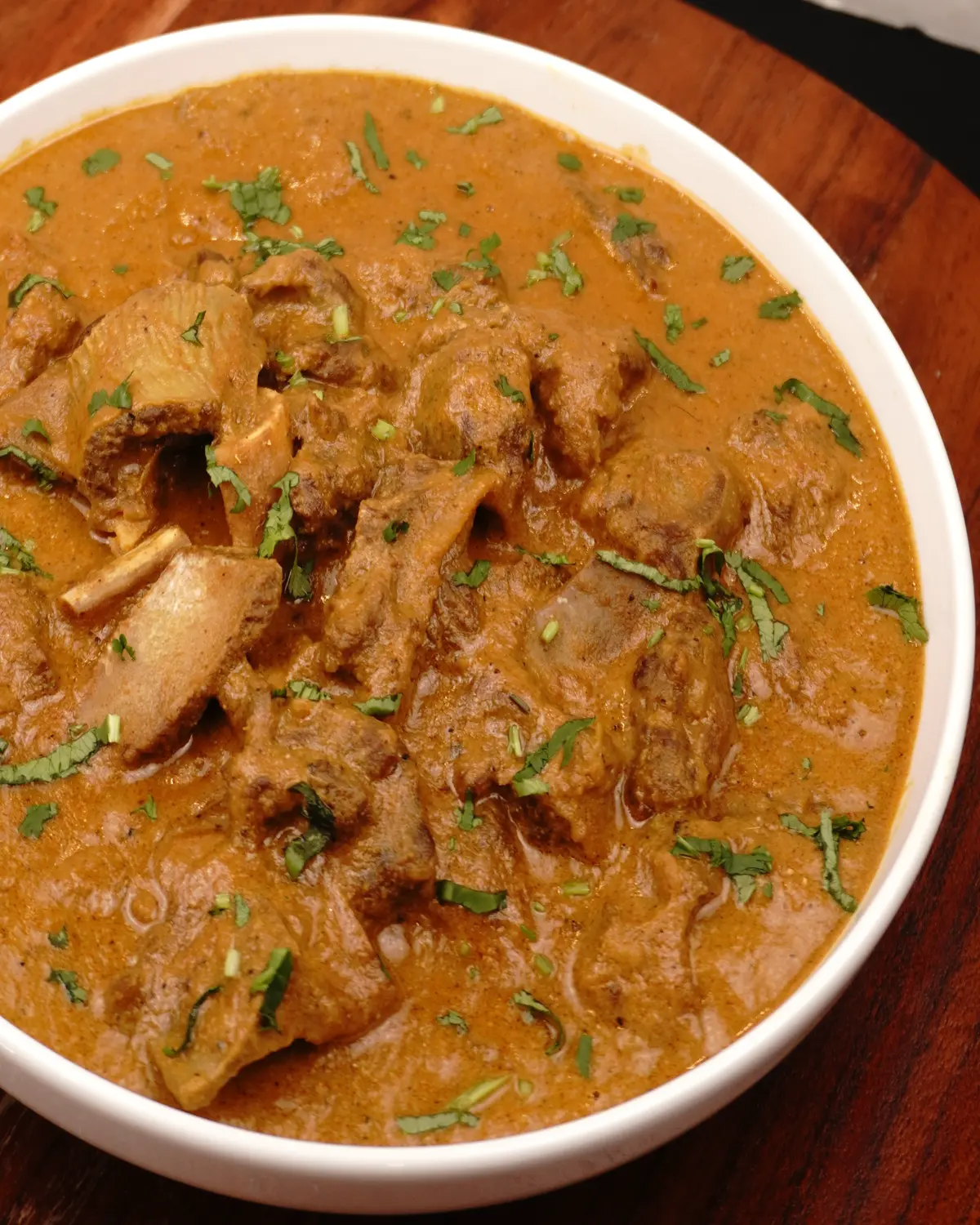
In this recipe, I am using baby goat bone pieces. In South Asia, goat meat is often called mutton, but age is actually the true deciding factor for flavor and texture:
🐐 Baby Goat (Kid): An animal under 12 months old. It offers a delicate, mild flavor and a low fat content.
🥩 Mutton: Refers to an animal over a year old. It has a much bolder flavor and a higher fat content.
The Curry:
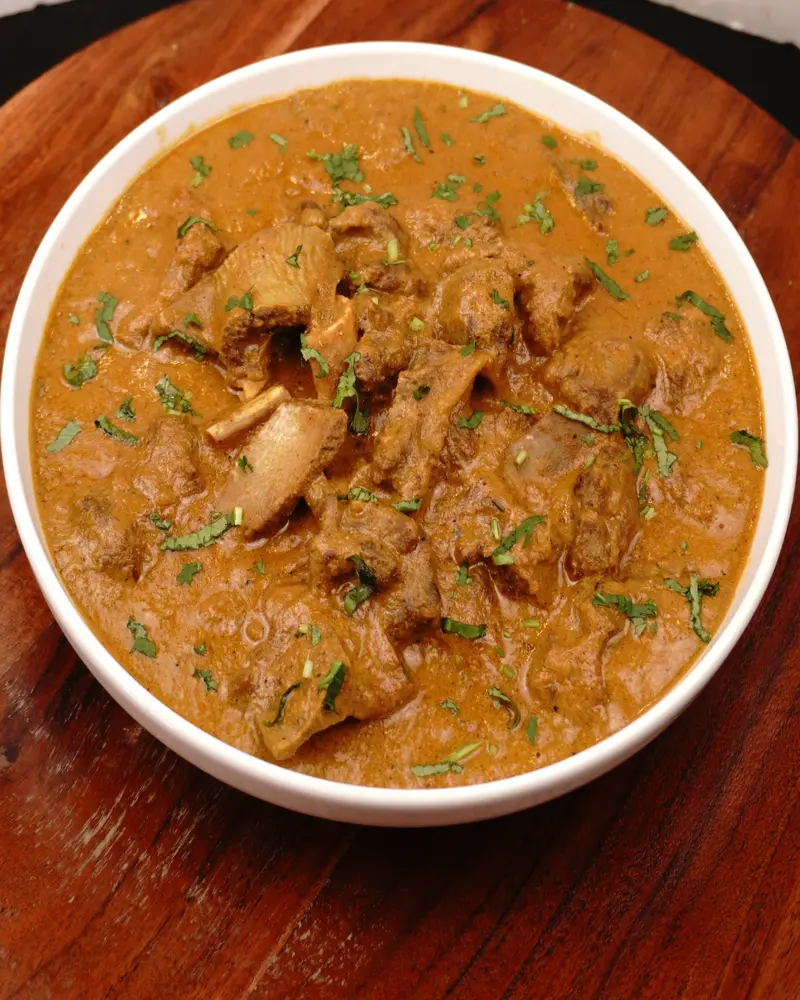
This delicious recipe is made by browning the onions lightly and cooking them with aromatic spices. The marinated meat is sautéed, then mixed with a creamy coconut, poppy seed, and cashew paste. Everything is cooked slowly on low heat to create a rich, flavorful, thick gravy.
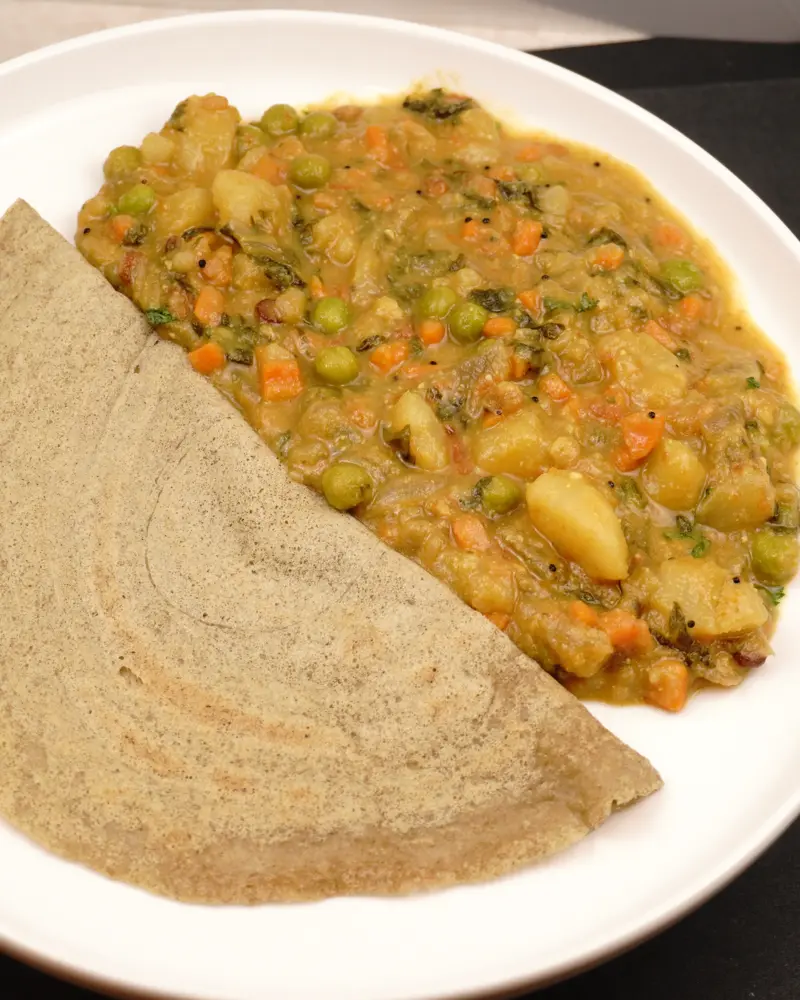
Using baby goat makes the meat tender and juicy. It tastes amazing with flaky Parotta, soft Chapati, or a crispy Dosa.
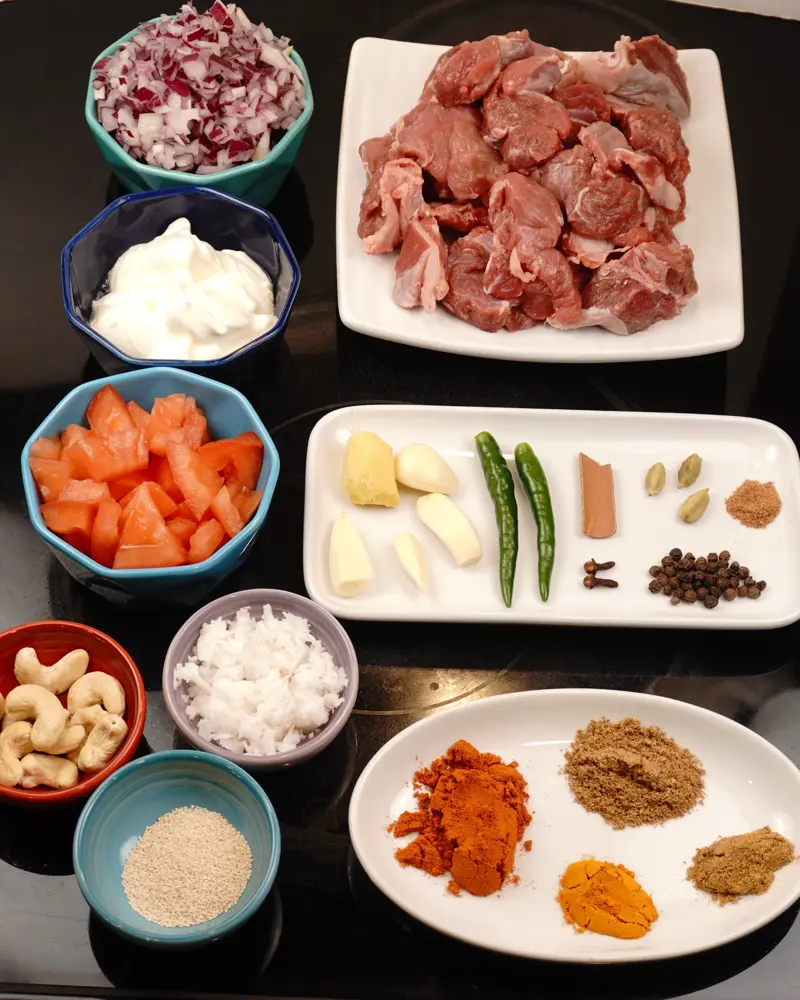
Ingredients
Baby goat bone in pieces – 500 g
Finely chopped onion – 125 gms (approx. half medium size)
Tomato – 100 gms (approx. medium size)
Whole milk thick curd – 100 gms
Coconut grated – 15 gms (1 tbsp)
Poppy seeds – 4 gms (1/2 tbsp)
Raw cashew – 10 nos
Cinnamon – 1 inch stick
Cloves – 2 nos
Green cardamom – 3 nos
Pepper corns – 1/2 tsp
Nut mug powder – 1/8 tsp
Green chili – 2 -3 nos
Coriander powder – 1 tsp
Cumin powder – 1/2 tsp
Turmeric powder – 1/2 tsp
Red chili powder – 1/2 tbsp
Ginger – 1/2 inch
Garlic – 3 - 4 nos
Chopped coriander leaves – 1 to 2 tbsp
Water – approx. 300 ml
Ghee/Coconut oil – 3 tbsp
Salt – as required (approx. 1 1/2 tsp)
Ingredient Preparation
Prepare the Baby Goat Pieces
Choose a Cleaning Method
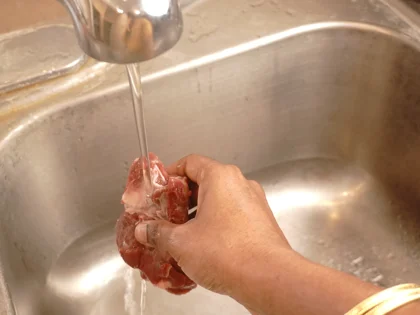
Dry Wipe (Recommended): Skip rinsing the mutton pieces entirely. Simply wipe the 500g mutton pieces clean with a dry paper towel and dispose of the towel in the trash immediately. This is the safest way to prevent the spread of kitchen bacteria.
Rinse & Dry (Alternative): If you prefer to rinse the mutton, do so quickly under a very gentle, low-pressure stream of cold running water to avoid splashing. Also, keep the mutton piece deep down inside the sink basin. Transfer the mutton directly to a clean plate lined with paper towels, pat dry, and discard the paper towels right away.
Marinate and then Refrigerate
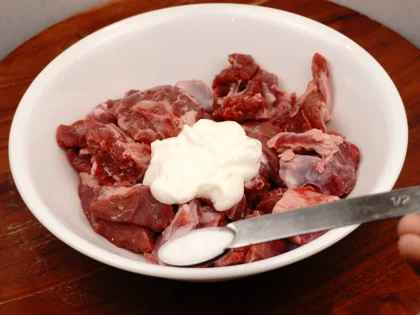
In a bowl, add the following ingredients and mix well:
Salt – 1 tsp
Whole milk thick curd – 100g
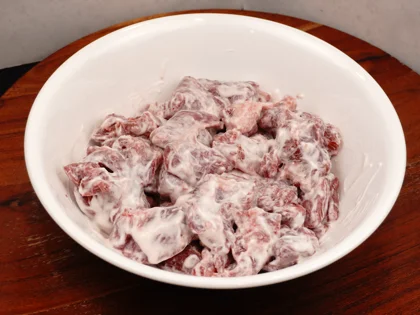
Ensure Even Distribution : Instead of dumping the salt in one spot, sprinkle it evenly over the baby goat pieces. Use your hands to massage the curd and salt into each piece until they are thoroughly coated.
Refrigerate : Cover and place the marinated pieces in the refrigerator for at least 3 to 4 hours, or ideally overnight.
Note: Marinating with salt helps it penetrate into the meat, enhancing flavor and retaining juiciness. Additionally, curd helps to tenderize the meat and retain moisture.
Prepare Nut Paste
Soak, rinse and Blend
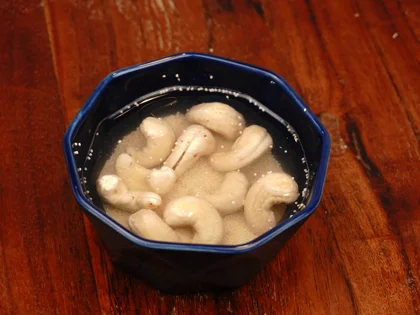
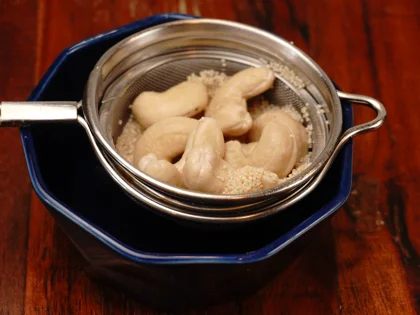
Soak : 1/2 tbsp (4g) poppy seeds and 10 cashews in hot water for 30 mins for soften them.
Rinse and drain : Discard the soaking water for clean flavor, rinse the seeds and nuts with fresh water, and drain completely.
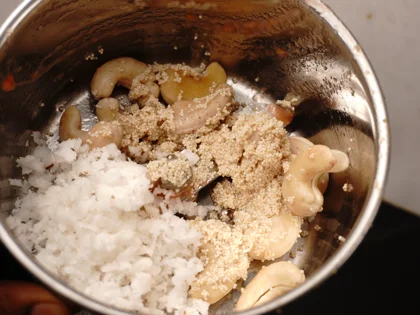
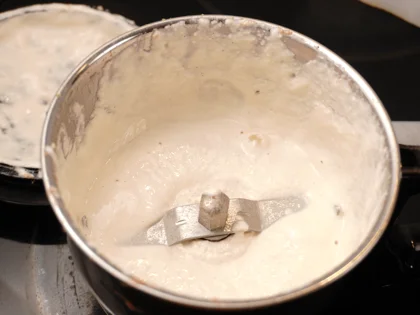
Blend : Combine with 15g (1 tbsp) grated coconut. Add a little fresh water (about 50ml) and pulse until a smooth, fine paste forms.
Prepare the Spices
Grind the whole dry spices first, followed by the fresh aromatics.
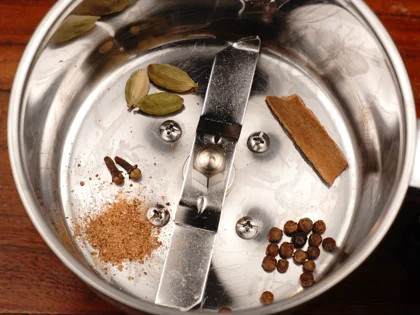
Pulse Dry Spices : Place the whole dry spices in a grinder: 2 cloves, 1 cinnamon stick, 3 cardamom pods, 1/8 tsp Nut mug powder and ½ tsp peppercorns. Pulse until they form a fine or coarse powder.
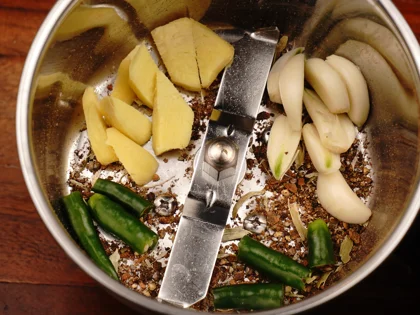
Add Fresh Aromatics : Add 4 cloves of garlic, a small piece of ginger (chopped), and 2 to 3 green chilies to the same jar.
Final Blend : Pulse the mixture in short bursts, repeating several times until a coarse texture is achieved.
Note : If the garlic & ginger pieces are large, chop them into thin slices first to help the jar blade blend them more easily.
Prepare Tomato Puree
Puree the Tomatoes
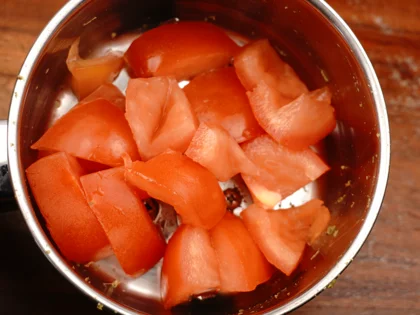
Clean, Core & chop : Using a sharp knife, slice the tomatoes in half. Remove the stems, the tough white cores, and the seeds. Roughly chop the remaining tomato flesh into small pieces.
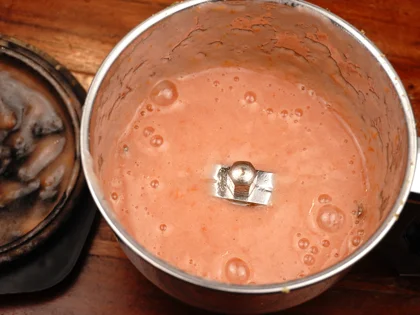
Puree : Place the pieces into the grinder jar and pulse until you have a smooth puree.
Note : If you choose not to remove the seeds while chopping, simply strain the puree through strainer to achieve a smooth texture for your gravy.
Note
Save time : You can multitask to save time! Maximize your time by prepping the spice paste, tomato puree and nut paste while waiting for the onions to get light brown.
Reduce chill
Prep before cooking: Take the marinated meat out of the fridge and let it sit at room temperature for 30 to 45 minutes before adding it to the pan.
Making Baby Goat Curry
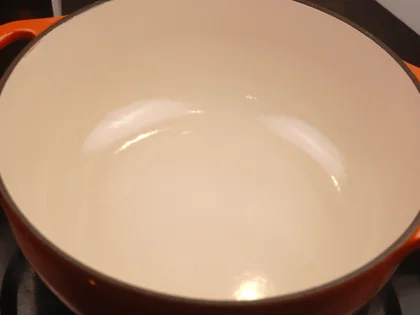
Preheat the Pot
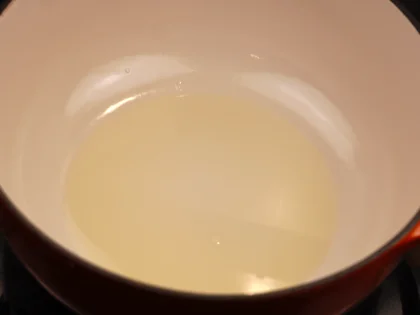
Heat a heavy pot over medium heat for 2 to 3 minutes. Add 2 to 3 tbsp of oil and let it get hot for another minute or two before adding the onions.
Note: Use a neutral oil with a high smoke point, such as vegetable, sunflower, canola, or peanut oil.
Sauté Onions until light brown
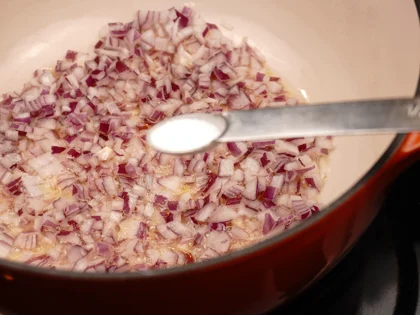
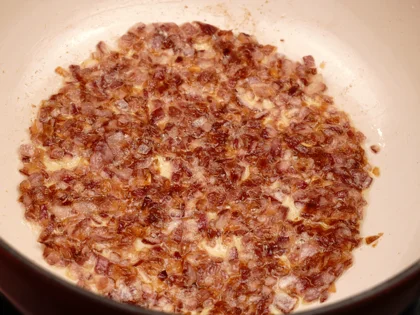
Add 125g of finely chopped onions and a little salt. Sauté over medium heat, stirring often so they don't stick. As the moisture evaporates, turn the heat down to medium-low. This ensures they color evenly and prevents them from burning.
Note: Be patient—the base flavor in your curry comes from this light browning stage. Wait for the onions to shrink, soften, and reach a uniform light brown color rather than rushing this step. This can take anywhere from 15 to 25 minutes depending on your pan.
Pro Tip: Aim strictly for a light brown color. If the onions are under-browned, your curry will lack base flavor. If they get too dark at this stage, they will easily burn later when you add your curd-marinated meat and sauté everything over high heat.
Add Prepared Ground Spices
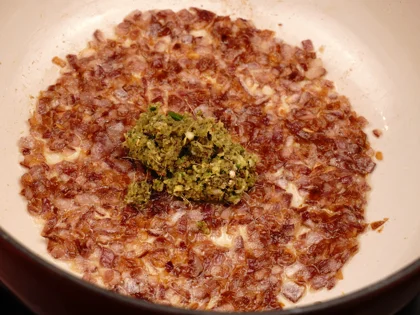
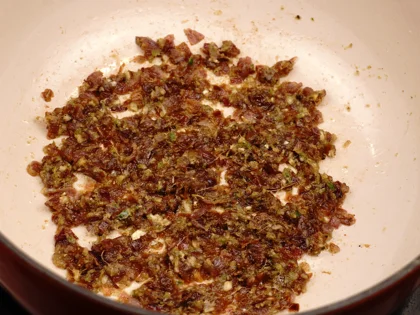
Lower the heat and add the coarsely ground spice paste. Sauté for about 1 minute until toasted in the oil.
Add Spice Powders
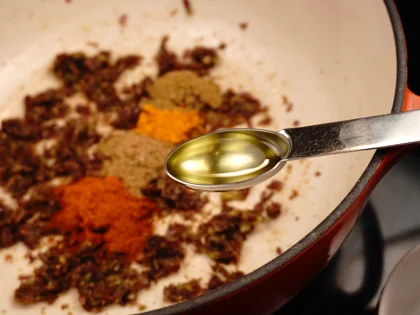
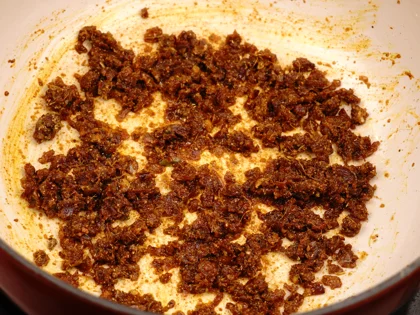
If the mixture looks dry, add an extra ½ to 1 tbsp of oil. Add ½ tsp turmeric, ½ tbsp red chili powder, ½ tsp cumin powder, and 1 tsp coriander powder.
Note: Stir well, letting the spices toast in the oil over low heat.
Add Tomato Puree
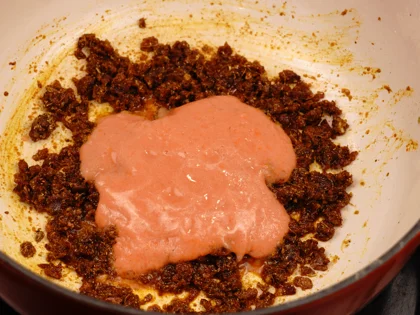
Stir in your prepared tomato puree. Sauté on medium heat for 3 to 4 minutes until the oil begins to come out.
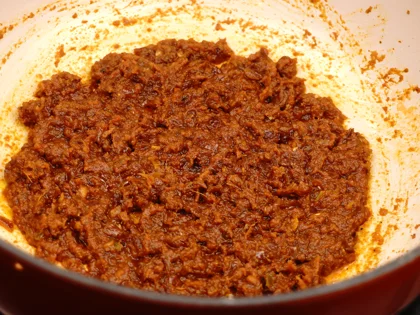
Add Marinated Baby Goat
Saute the baby goat: Add them to the pan. Increase the heat to medium high sauté for 5–6 minutes frequently until the moisture from the curd has mostly evaporated.
Pro Tip: Sautéing at high heat until the curd moisture evaporates is key. This process lightly browns the meat to lock in its deep flavors. Just remember to stir the pot frequently while cooking over this high heat.
Note: At the same time, heat 450 ml of water in a separate pan so it is ready when needed.
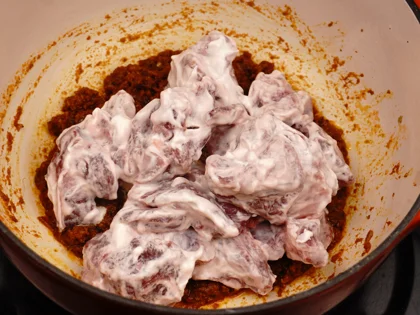
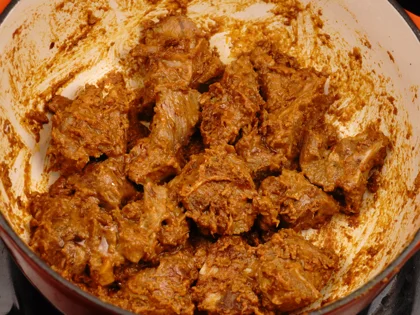
Add Prepared Paste and Stir
Add the paste: Turn the heat to medium and add the nut paste. Stir well and scrape the bottom of the pan to keep the spices from sticking.
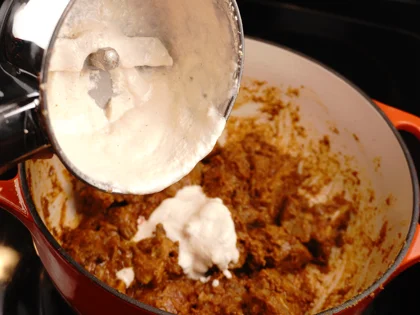
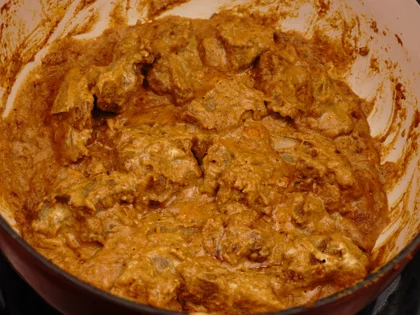
Add Hot Water and Boiling
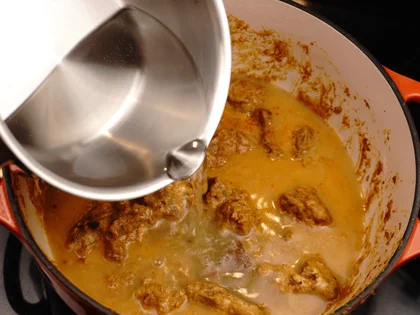
Pour : Add approximately 350 ml of hot water to the pan. Swirl the remaining 100 ml of hot water in your blender jar to rinse out any leftover paste, then add it to the pan.
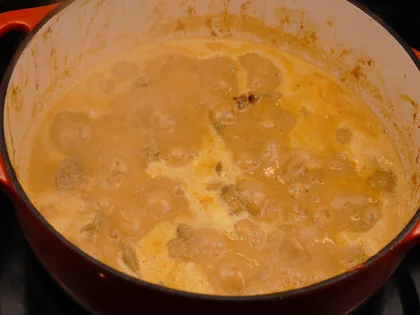
Boil : Increase the heat to medium-high. Let the curry boil for 4 to 5 minutes without a lid, stirring frequently.
Note: Using hot water instead of cold water helps maintain the cooking temperature and keeps the mutton tender.
Cook on Low Heat
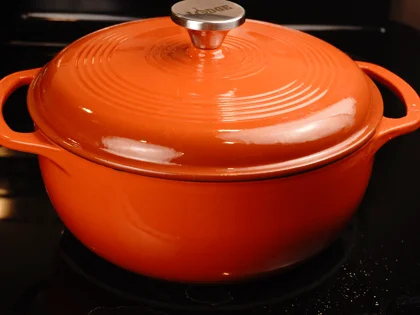
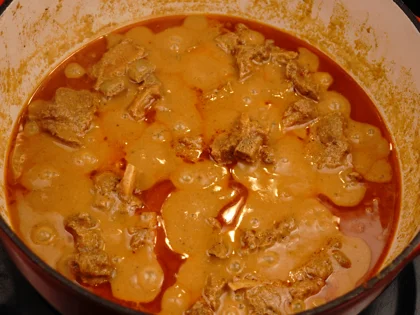
Low heat: Once the curry reaches a steady boil (the liquid is bubbling strongly and consistently, not just a few tiny bubbles), , cover the pot and reduce the heat to low (around setting 2 on a 10-point dial). Cook for 1 to 1½ hours.
Note: Make sure to stir the curry every 20 minutes so the thick sauce does not burn at the bottom. If the sauce looks too thick or starts to stick, mix in a little hot water (about 1/4 cup) to keep it smooth and flavorful.
Garnish & Serve
Check the goat Meat: Insert a fork into a thick piece of meat and twist gently. It should go in easily, and the meat should fall apart or come off the bone easily.
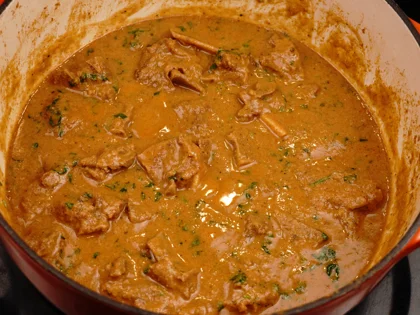
Check the Thickness: Check your gravy has reached a rich, thick consistency. If the gravy is too thick, stir in a little hot water; if it is too thin, simmer it for a few more minutes without the lid until it thickens up.
Taste and Adjust: Taste the curry. Add salt if needed, adding a small amount at a time and tasting again until the flavors are perfectly balanced
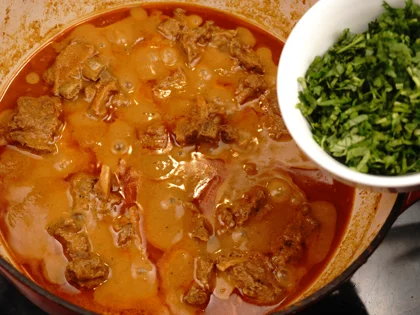
Add herbs : Sprinkle 1 to 2 tbsp of finely chopped coriander leaves over the top. Give the curry a gentle final stir to fold the herbs into the rich, thick gravy.
Tips
💡 Make sure to pat the meat pieces dry with a paper towel to remove surface moisture before marinating.
💡 Plan ahead: Marinate your baby goat in salt and curd for at least 3–4 hours. This acts as a natural tenderizer that keeps the meat juicy and seasoned. Use plain, full-fat yogurt for the best results, as the fat helps keep the lean meat moist.
💡 Reduce the Chill: Take the marinated meat out of the fridge and let it sit at room temperature for 30 to 45 minutes before adding it to the pan.
💡 Soak the poppy seeds and cashews in hot water for 30 minutes to soften them completely. This ensures they blend easily into a fine, smooth paste.
💡 Drain the cashews and poppy seeds, discarding the soak water. Grind them with a splash of fresh water to ensure a clean, sweet flavor without any unwanted bitterness.
💡 Sauté all ground spices on low heat. If the mixture appears dry, adding a 1/2 to 1 tablespoon of oil helps.
💡 Color is flavor—so don’t rush the onions! Sauté them until they turn light brown( not dark brown).
💡 Sauté the meat on medium-high heat for 5–6 minutes until most of the yogurt liquid has evaporated. This process lightly browns the meat to lock in its deep flavors.
💡 Aim for a thick consistency curry. If your curry is too thick, stir in a little hot water to thin it out lightly. If it is too thin, cook it for a few more minutes without the lid until it thickens.
💡 To check if the meat is ready, insert a fork into a thick piece and twist gently. It should slide in easily, and the meat should fall apart or come off the bone without any effort
💡 Adjusting the Salt: Since the baby goat was marinated with salt, be careful when salting the curry base. Add only a small amount while sautéing the onions and tomatoes. Note: For safety, do not taste the curry while the meat is still raw. Wait until the meat is fully cooked before tasting and adding more salt if needed.
Frequently Asked Questions
To cook the shorba in two stages, first sauté the curd-marinated baby goat thoroughly before pressure-cooking the meat until tender (1 whistle on medium heat, followed by 5 whistles on low heat, setting 2 on a 10-point dial), then allow the pressure to release naturally. Second, open the lid, stir in the nut paste, and simmer gently on low heat for 10–15 minutes until the flavors meld
Soaking the meat in water makes it absorb too much liquid and washes away its natural flavor. This can make your dish less tasty. If you want to wash the goat, do it quickly under cold running water instead.
You should pat dry baby goat pieces because it helps the marinade stick to the meat instead of sliding off. It also helps the mutton brown better in the pan instead of steaming.
If you don't wait for the onions to light brown, your curry will taste like plain boiled onions. Without that light-brown caramelization, you lose the base flavor that defines a great curry. Remember: no color means no flavor
Use full-fat (whole milk) thick curd for the best results. The natural lactic acid acts as a gentle tenderizer, while the high fat content ensures your gravy is thicker, creamy, and flavorful finish.
Slow and low is the key. Start with high-quality meat and cook it slowly over low heat(around setting 2 on a 10-point dial) to ensure it stays tender and juicy.
Yes! Marinating with salt and curd for at least 3–4 hours is essential. It tenderizes the meat and ensures it is juicy and seasoned.
You Might Also Like


Pot-Cooked Mutton Curry (Baby Goat) — Restaurant Style Recipe
In this recipe, I am using baby goat bone pieces. In South Asia, goat meat is often called mutton, but age is actually the true deciding factor for flavor and texture:
🐐 Baby Goat (Kid): An animal under 12 months old. It offers a delicate, mild flavor and a low fat content.
🥩 Mutton: Refers to an animal over a year old. It has a much bolder flavor and a higher fat content.
The Curry:
This delicious recipe is made by browning the onions lightly and cooking them with aromatic spices. The marinated meat is sautéed, then mixed with a creamy coconut, poppy seed, and cashew paste. Everything is cooked slowly on low heat to create a rich, flavorful, thick gravy.
Using baby goat makes the meat tender and juicy. It tastes amazing with flaky Parotta, soft Chapati, or a crispy Dosa.
Ingredients
- 500 g Baby goat bone in pieces
- 125 gms (approx. half medium size) Finely chopped onion
- 100 gms (approx. medium size) Tomato
- 100 gms Whole milk thick curd
- 15 gms (1 tbsp) Coconut grated
- 4 gms (1/2 tbsp) Poppy seeds
- 10 nos Raw cashew
- 1 inch stick Cinnamon
- 2 nos Cloves
- 3 nos Green cardamom
- 1/2 tsp Pepper corns
- 1/8 tsp Nut mug powder
- 2 -3 nos Green chili
- 1 tsp Coriander powder
- 1/2 tsp Cumin powder
- 1/2 tsp Turmeric powder
- 1/2 tbsp Red chili powder
- 1/2 inch Ginger
- 3 - 4 nos Garlic
- 1 to 2 tbsp Chopped coriander leaves
- approx. 300 ml Water
- 3 tbsp Ghee/Coconut oil
- as required (approx. 1 1/2 tsp) Salt
Instructions
-
Choose a Cleaning Method
Dry Wipe (Recommended): Skip rinsing the mutton pieces entirely. Simply wipe the 500g mutton pieces clean with a dry paper towel and dispose of the towel in the trash immediately. This is the safest way to prevent the spread of kitchen bacteria.
Rinse & Dry (Alternative): If you prefer to rinse the mutton, do so quickly under a very gentle, low-pressure stream of cold running water to avoid splashing. Also, keep the mutton piece deep down inside the sink basin. Transfer the mutton directly to a clean plate lined with paper towels, pat dry, and discard the paper towels right away.
-
Marinate and then Refrigerate
In a bowl, add the following ingredients and mix well:
Salt – 1 tsp
Whole milk thick curd – 100g
Ensure Even Distribution : Instead of dumping the salt in one spot, sprinkle it evenly over the baby goat pieces. Use your hands to massage the curd and salt into each piece until they are thoroughly coated.
Refrigerate : Cover and place the marinated pieces in the refrigerator for at least 3 to 4 hours, or ideally overnight.
Note: Marinating with salt helps it penetrate into the meat, enhancing flavor and retaining juiciness. Additionally, curd helps to tenderize the meat and retain moisture.
-
Soak, rinse and Blend
Soak : 1/2 tbsp (4g) poppy seeds and 10 cashews in hot water for 30 mins for soften them.
Rinse and drain : Discard the soaking water for clean flavor, rinse the seeds and nuts with fresh water, and drain completely.
Blend : Combine with 15g (1 tbsp) grated coconut. Add a little fresh water (about 50ml) and pulse until a smooth, fine paste forms.
-
Grind the whole dry spices first, followed by the fresh aromatics.
Pulse Dry Spices : Place the whole dry spices in a grinder: 2 cloves, 1 cinnamon stick, 3 cardamom pods, 1/8 tsp Nut mug powder and ½ tsp peppercorns. Pulse until they form a fine or coarse powder.
Add Fresh Aromatics : Add 4 cloves of garlic, a small piece of ginger (chopped), and 2 to 3 green chilies to the same jar.
Final Blend : Pulse the mixture in short bursts, repeating several times until a coarse texture is achieved.
Note : If the garlic & ginger pieces are large, chop them into thin slices first to help the jar blade blend them more easily.
-
Puree the Tomatoes
Clean, Core & chop : Using a sharp knife, slice the tomatoes in half. Remove the stems, the tough white cores, and the seeds. Roughly chop the remaining tomato flesh into small pieces.
Puree : Place the pieces into the grinder jar and pulse until you have a smooth puree.
Note : If you choose not to remove the seeds while chopping, simply strain the puree through strainer to achieve a smooth texture for your gravy.
-
Reduce chill
Prep before cooking: Take the marinated meat out of the fridge and let it sit at room temperature for 30 to 45 minutes before adding it to the pan.
-
Preheat the Pot
Heat a heavy pot over medium heat for 2 to 3 minutes. Add 2 to 3 tbsp of oil and let it get hot for another minute or two before adding the onions.
Note: Use a neutral oil with a high smoke point, such as vegetable, sunflower, canola, or peanut oil.
-
Sauté Onions until light brown
Add 125g of finely chopped onions and a little salt. Sauté over medium heat, stirring often so they don't stick. As the moisture evaporates, turn the heat down to medium-low. This ensures they color evenly and prevents them from burning.
Note: Be patient—the base flavor in your curry comes from this light browning stage. Wait for the onions to shrink, soften, and reach a uniform light brown color rather than rushing this step. This can take anywhere from 15 to 25 minutes depending on your pan.
Pro Tip: Aim strictly for a light brown color. If the onions are under-browned, your curry will lack base flavor. If they get too dark at this stage, they will easily burn later when you add your curd-marinated meat and sauté everything over high heat.
-
Add Prepared Ground Spices
Lower the heat and add the coarsely ground spice paste. Sauté for about 1 minute until toasted in the oil.
-
Add Spice Powders
If the mixture looks dry, add an extra ½ to 1 tbsp of oil. Add ½ tsp turmeric, ½ tbsp red chili powder, ½ tsp cumin powder, and 1 tsp coriander powder.
Note: Stir well, letting the spices toast in the oil over low heat.
-
Add Tomato Puree
Stir in your prepared tomato puree. Sauté on medium heat for 3 to 4 minutes until the oil begins to come out.
-
Add Marinated Baby Goat
Saute the baby goat: Add them to the pan. Increase the heat to medium high sauté for 5–6 minutes frequently until the moisture from the curd has mostly evaporated.
Pro Tip: Sautéing at high heat until the curd moisture evaporates is key. This process lightly browns the meat to lock in its deep flavors. Just remember to stir the pot frequently while cooking over this high heat.
Note: At the same time, heat 450 ml of water in a separate pan so it is ready when needed.
-
Add Prepared Paste and Stir
Add the paste: Turn the heat to medium and add the nut paste. Stir well and scrape the bottom of the pan to keep the spices from sticking.
-
Add Hot Water and Boiling
Pour : Add approximately 350 ml of hot water to the pan. Swirl the remaining 100 ml of hot water in your blender jar to rinse out any leftover paste, then add it to the pan.
Boil : Increase the heat to medium-high. Let the curry boil for 4 to 5 minutes without a lid, stirring frequently.
Note: Using hot water instead of cold water helps maintain the cooking temperature and keeps the mutton tender.
-
Cook on Low Heat
Low heat: Once the curry reaches a steady boil (the liquid is bubbling strongly and consistently, not just a few tiny bubbles), , cover the pot and reduce the heat to low (around setting 2 on a 10-point dial). Cook for 1 to 1½ hours.
Note: Make sure to stir the curry every 20 minutes so the thick sauce does not burn at the bottom. If the sauce looks too thick or starts to stick, mix in a little hot water (about 1/4 cup) to keep it smooth and flavorful.
-
Garnish & Serve
Check the goat Meat: Insert a fork into a thick piece of meat and twist gently. It should go in easily, and the meat should fall apart or come off the bone easily.
Check the Thickness: Check your gravy has reached a rich, thick consistency. If the gravy is too thick, stir in a little hot water; if it is too thin, simmer it for a few more minutes without the lid until it thickens up.
Taste and Adjust: Taste the curry. Add salt if needed, adding a small amount at a time and tasting again until the flavors are perfectly balanced
Add herbs : Sprinkle 1 to 2 tbsp of finely chopped coriander leaves over the top. Give the curry a gentle final stir to fold the herbs into the rich, thick gravy.
Loading rating...
Write a Review
Loading reviews...