3 Ingredient Dates Cake
by Viruthiga Veni
Loading rating...
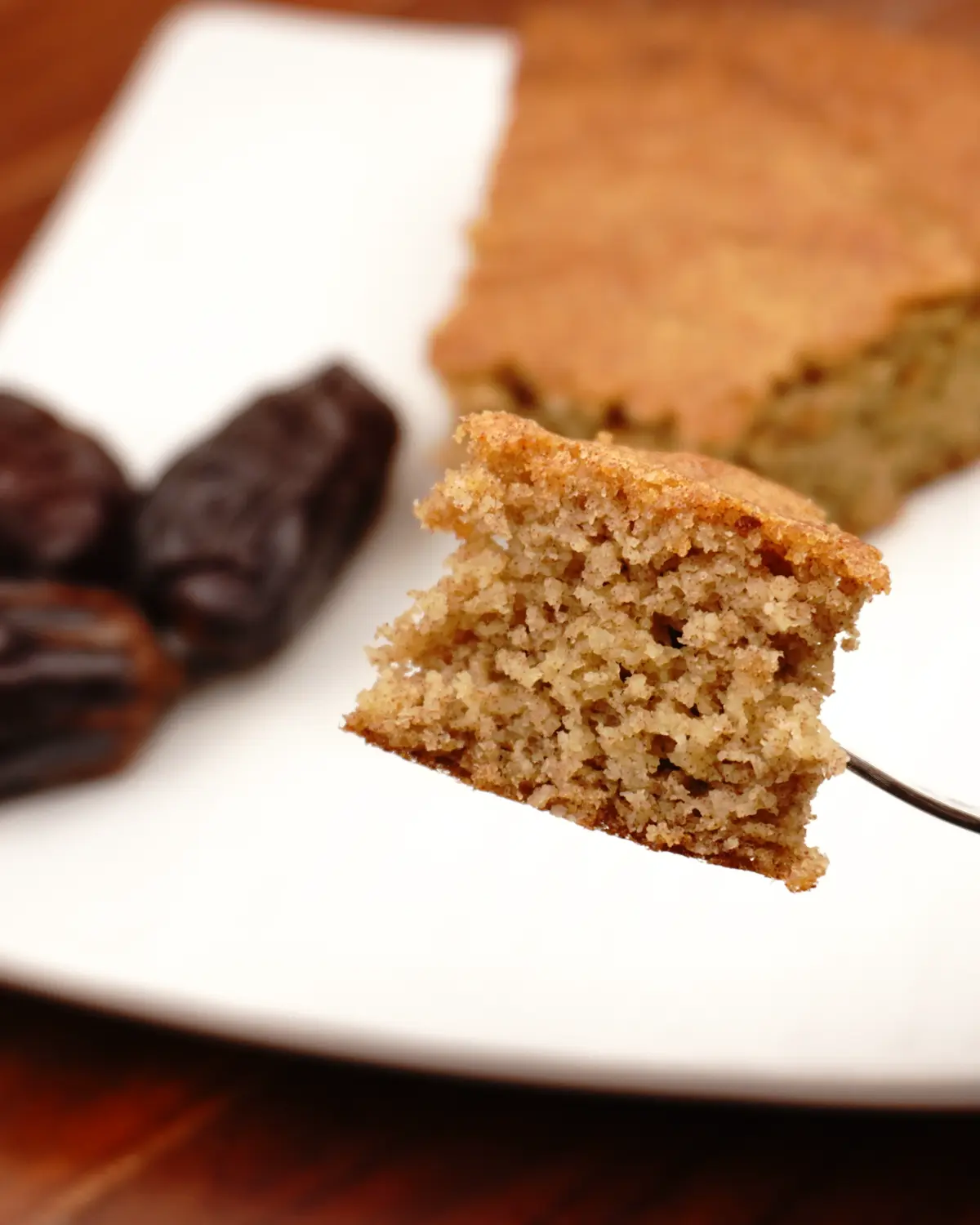
This three-ingredient date cake is a simple, healthy dessert made using only almond flour, eggs, and dates. It is naturally gluten-free, containing no added refined sugar, butter, or oil. The recipe uses nutrient-dense dates as a natural sweetener, and the combination of almond flour and eggs creates a moist texture that is soft and tasty. The result is one of our family's favorite cakes; if I make it, it will be finished in one to two days!
Ingredients
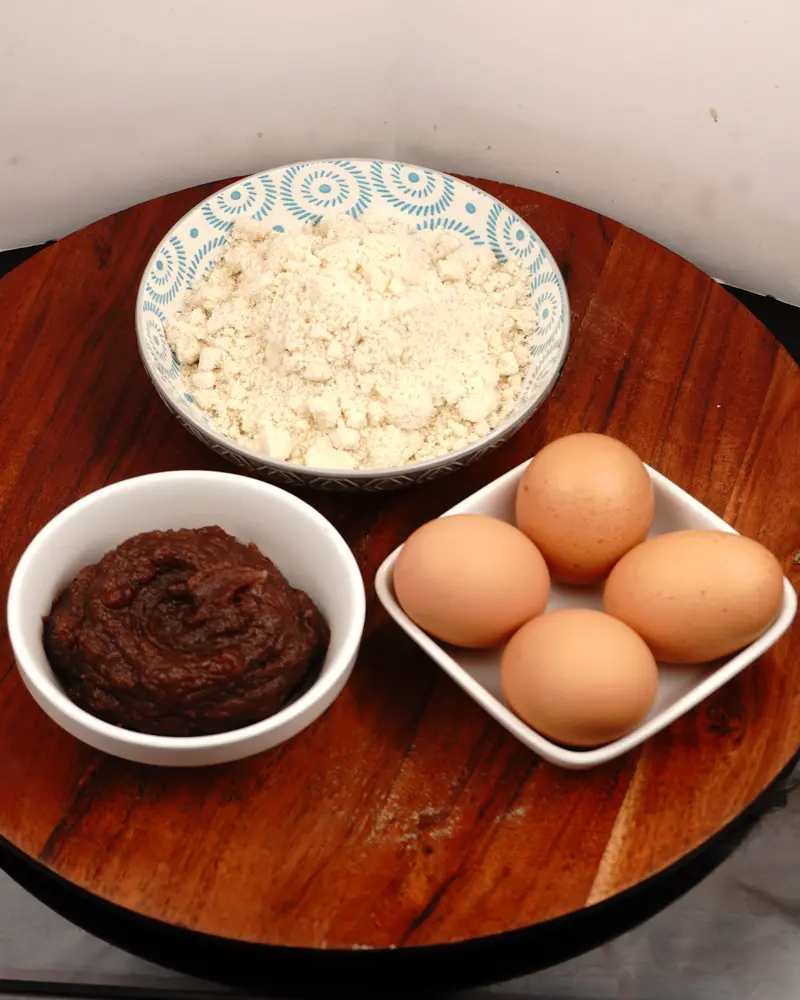
Almond flour – 125 grams
Egg – 4 nos.
Baking Dates (Date spread) – 200 grams
Prepare bake pan
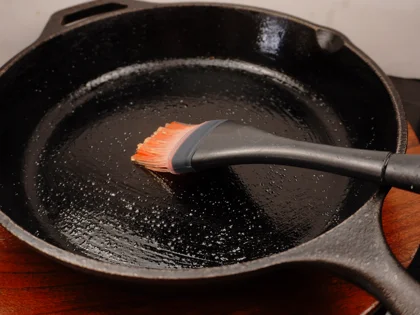
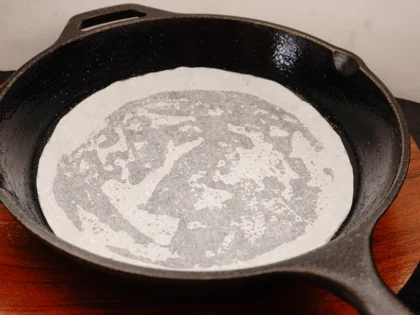
Grease the Pan & Line with Parchment
Apply a thin, even layer of butter or ghee to the bottom and all sides of the interior.
Cut a circle of parchment paper to match the pan's dimensions and place over the greased surface to prevent any sticking.
Note: I used 8 inch cast iron pan but you can also used round cake pan.
Prepare cake batter
Room Temperature Ingredients
Pull your eggs and baking date/date spread out of the fridge about 30–60 minutes before baking so they can reach room temperature.
If you made the baking date ahead: Make sure it sits out long enough to lose its chill.
If you made the baking date fresh: Let it cool down completely before adding it to the recipe.
Whip the Eggs
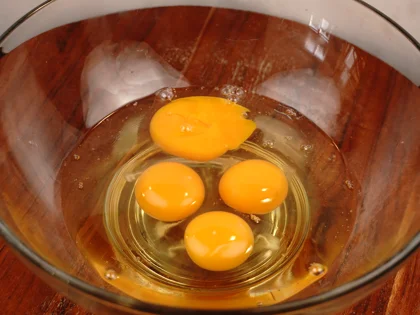
Place 4 eggs into a clean mixing bowl and use an electric beater on high speed to whip them thoroughly.
Achieve Ribbon Consistency
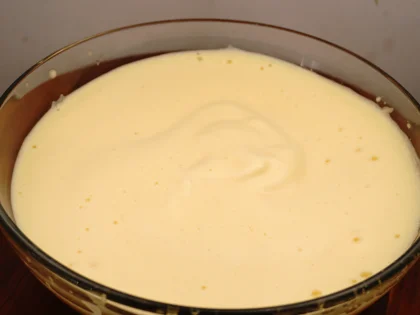
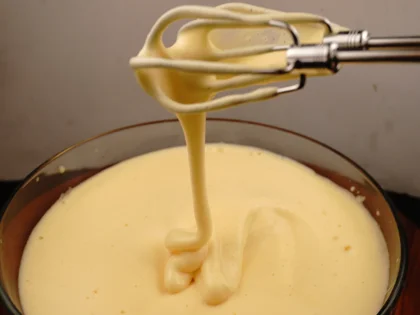
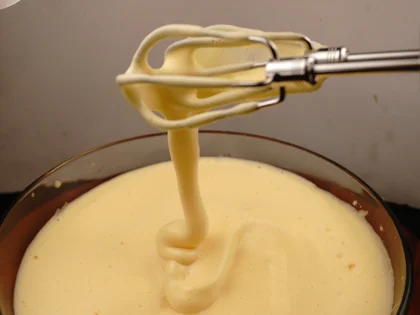
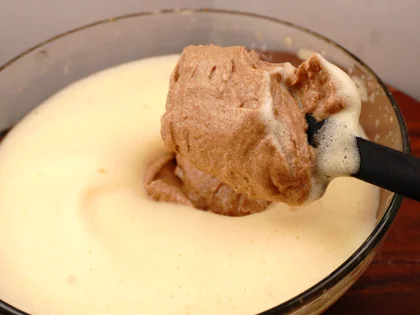
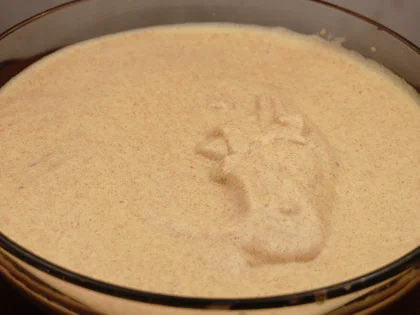
Continue beating for 17 to 20 minutes until the eggs become thick, pale, and significantly increased in volume. The mixture is ready when you lift the beaters and the falling batter forms a slow, visible "ribbon" that holds its shape on the surface for a few seconds.
Note: Beating the eggs well is what makes this cake fluffy without baking powder.
Lighten the Date spread
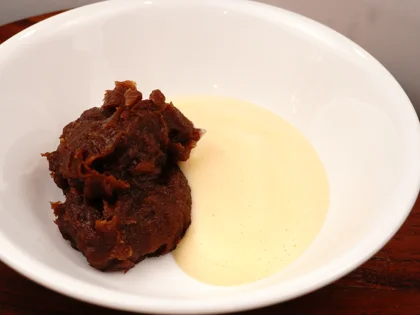
Add 2 to 3 tablespoons of the whipped eggs to the heavy date spread. Beat them together to 'lighten' the paste before folding in the remaining eggs.
Note: I used homemade baking date/date spread for this recipe.
Incorporate Date Spread
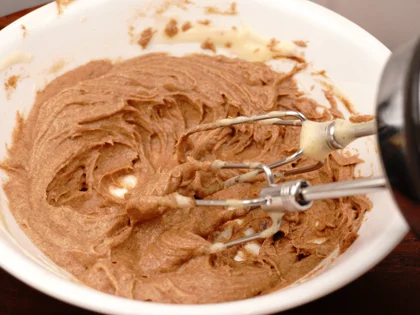
Add the lightened date mixture to the remaining whipped eggs. Using an electric beater on low speed, mix for 1–2 minutes until fully incorporated. Be careful not to over-mix, as this will deflate the airy volume of the eggs
Sieve the almond flour and fold without losing the lightness of the egg
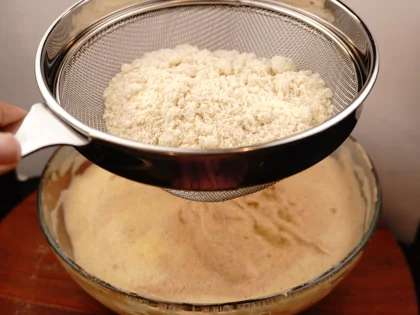
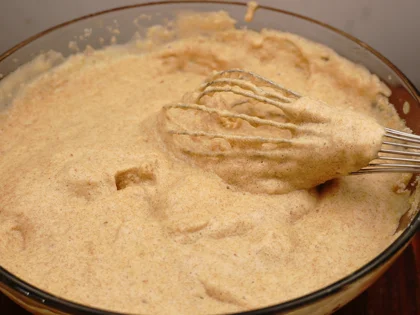
Sieve the almond flour over the egg mixture. Using a whisk, gently fold the flour into the wet ingredients by cutting through the center and lifting from the bottom of the bowl. Maintain Aeration - Continue folding only until no dry streaks of flour remain.
Note: Be careful to use a light hand; over-mixing at this stage can break the air bubbles you created, which could result in a denser cake rather than a soft, airy one.
Transfer the Batter
Gently pour the batter into the prepared pan, using a spatula to smooth the surface. Tap the pan once or twice on the counter to release any large air bubbles.
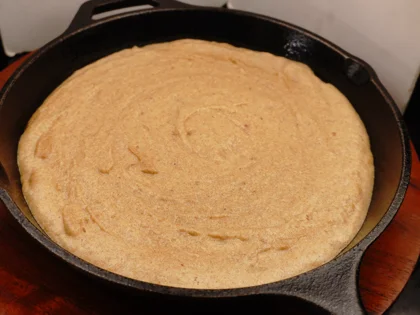
Bake the cake
Bake
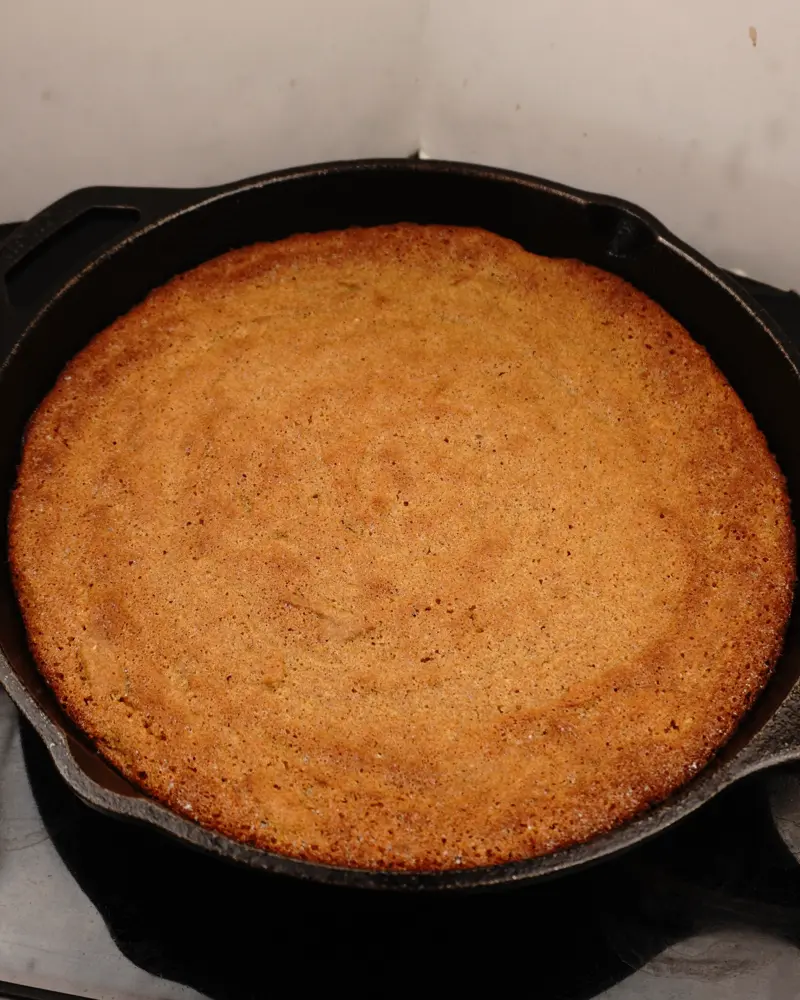
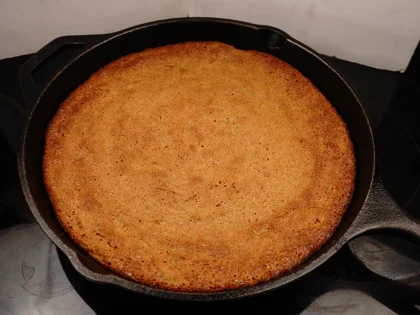
Place the pan in the oven preheated to 350°F (175°C) and bake for 25 to 30 minutes. The cake is ready when the top is a beautiful light brown and a toothpick inserted into the center comes out clean.
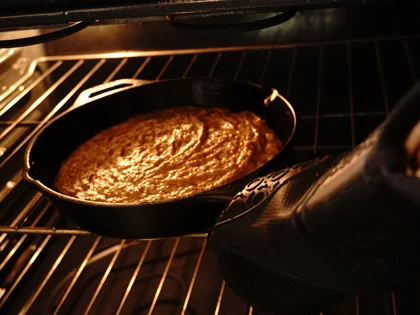
Allow Cooling and then loosen the edges
For the best texture, let the cake rest in the pan for 10 to 15 minutes before being transferred to a plate. This allows the structure of the date paste and almond flour to set properly.
Run a thin, flexible offset spatula or a plastic knife around the entire perimeter of the cake. Gently press against the side of the pan to ensure the cake is completely detached from the metal.
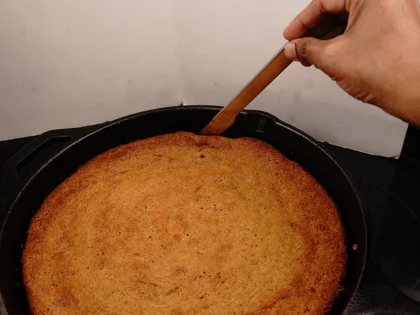
Use the Inversion Method
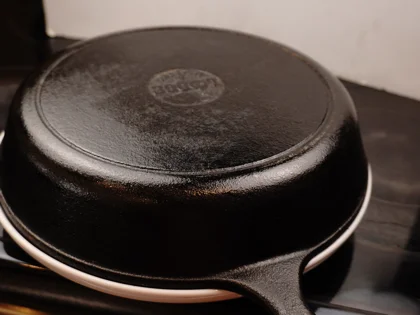
Place a large flat plate or a cooling rack upside down over the top of the pan. Using oven mitts (as the handles will still be hot), firmly grip both the pan and the plate together. flip them over so the pan is now on top.
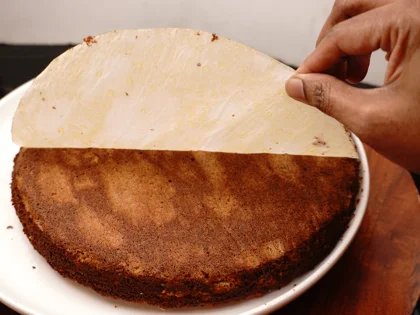
Lift and Peel - Slowly lift the cast iron pan straight up. If you lined the bottom with parchment paper as planned, the cake should slide out easily. Carefully peel away the parchment paper from the cake.
Final flip
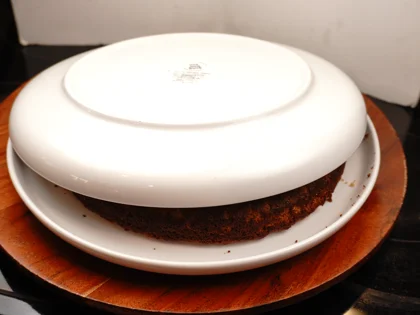
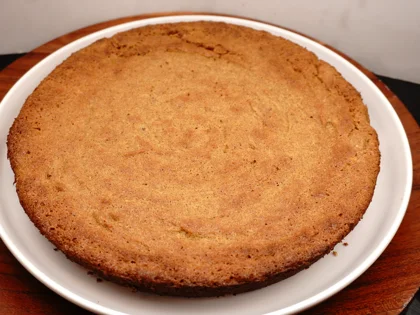
To flip the cake back to its upright position, place a second plate over the exposed bottom of the cake and invert it once more. Your cake is now ready for serving.
Tips
💡 Always plan ahead and prepare the date paste the day before to save time and make baking easier.
💡 I used Medjool dates for baking date/date spread, so I removed the thick skins after soaking the dates to keep the cake texture smooth and avoid dense spots.
💡 Feel free to use more or less of the date spread depending on how sweet you want your cake to be.
💡 Always use "super-fine" blanched almond flour rather than almond meal for a lighter, fluffier cake texture.
💡 Keep it Fluffy – Gently fold in the almond flour in to the beaten egg mixture, just until it disappears. Don't over-mix, or you will pop the air bubbles and end up with a heavy, flat cake instead of a light and soft one.
💡 Cool completely: Almond flour is fragile when hot. Let it sit in the pan for at least 15 minutes before moving it.
Frequently Asked Questions
Keep it in an airtight container.
It stays fresh for 2 days on the counter.
For longer storage, refrigerate it for up to 5 days.
You Might Also Like
3 Ingredient Dates Cake Recipe
This three-ingredient date cake is a simple, healthy dessert made using only almond flour, eggs, and dates. It is naturally gluten-free, containing no added refined sugar, butter, or oil. The recipe uses nutrient-dense dates as a natural sweetener, and the combination of almond flour and eggs creates a moist texture that is soft and tasty. The result is one of our family's favorite cakes; if I make it, it will be finished in one to two days!
Ingredients
- 125 grams Almond flour
- 4 nos. Egg
- 200 grams Baking Dates (Date spread)
Instructions
-
Grease the Pan & Line with Parchment
Apply a thin, even layer of butter or ghee to the bottom and all sides of the interior.
Cut a circle of parchment paper to match the pan's dimensions and place over the greased surface to prevent any sticking.
Note: I used 8 inch cast iron pan but you can also used round cake pan.
-
Room Temperature Ingredients
Pull your eggs and baking date/date spread out of the fridge about 30–60 minutes before baking so they can reach room temperature.
If you made the baking date ahead: Make sure it sits out long enough to lose its chill.
If you made the baking date fresh: Let it cool down completely before adding it to the recipe.
-
Whip the Eggs
Place 4 eggs into a clean mixing bowl and use an electric beater on high speed to whip them thoroughly.
-
Achieve Ribbon Consistency
Continue beating for 17 to 20 minutes until the eggs become thick, pale, and significantly increased in volume. The mixture is ready when you lift the beaters and the falling batter forms a slow, visible "ribbon" that holds its shape on the surface for a few seconds.
Note: Beating the eggs well is what makes this cake fluffy without baking powder.
-
Lighten the Date spread
Add 2 to 3 tablespoons of the whipped eggs to the heavy date spread. Beat them together to 'lighten' the paste before folding in the remaining eggs.
Note: I used homemade baking date/date spread for this recipe.
-
Incorporate Date Spread
Add the lightened date mixture to the remaining whipped eggs. Using an electric beater on low speed, mix for 1–2 minutes until fully incorporated. Be careful not to over-mix, as this will deflate the airy volume of the eggs
-
Sieve the almond flour and fold without losing the lightness of the egg
Sieve the almond flour over the egg mixture. Using a whisk, gently fold the flour into the wet ingredients by cutting through the center and lifting from the bottom of the bowl. Maintain Aeration - Continue folding only until no dry streaks of flour remain.
Note: Be careful to use a light hand; over-mixing at this stage can break the air bubbles you created, which could result in a denser cake rather than a soft, airy one.
-
Transfer the Batter
Gently pour the batter into the prepared pan, using a spatula to smooth the surface. Tap the pan once or twice on the counter to release any large air bubbles.
-
Bake
Place the pan in the oven preheated to 350°F (175°C) and bake for 25 to 30 minutes. The cake is ready when the top is a beautiful light brown and a toothpick inserted into the center comes out clean.
-
Allow Cooling and then loosen the edges
For the best texture, let the cake rest in the pan for 10 to 15 minutes before being transferred to a plate. This allows the structure of the date paste and almond flour to set properly.
Run a thin, flexible offset spatula or a plastic knife around the entire perimeter of the cake. Gently press against the side of the pan to ensure the cake is completely detached from the metal.
-
Use the Inversion Method
Place a large flat plate or a cooling rack upside down over the top of the pan. Using oven mitts (as the handles will still be hot), firmly grip both the pan and the plate together. flip them over so the pan is now on top.
Lift and Peel - Slowly lift the cast iron pan straight up. If you lined the bottom with parchment paper as planned, the cake should slide out easily. Carefully peel away the parchment paper from the cake.
-
Final flip
To flip the cake back to its upright position, place a second plate over the exposed bottom of the cake and invert it once more. Your cake is now ready for serving.
Loading rating...
Write a Review
Loading reviews...